
SHOP ASCOLI CALCIO 1898
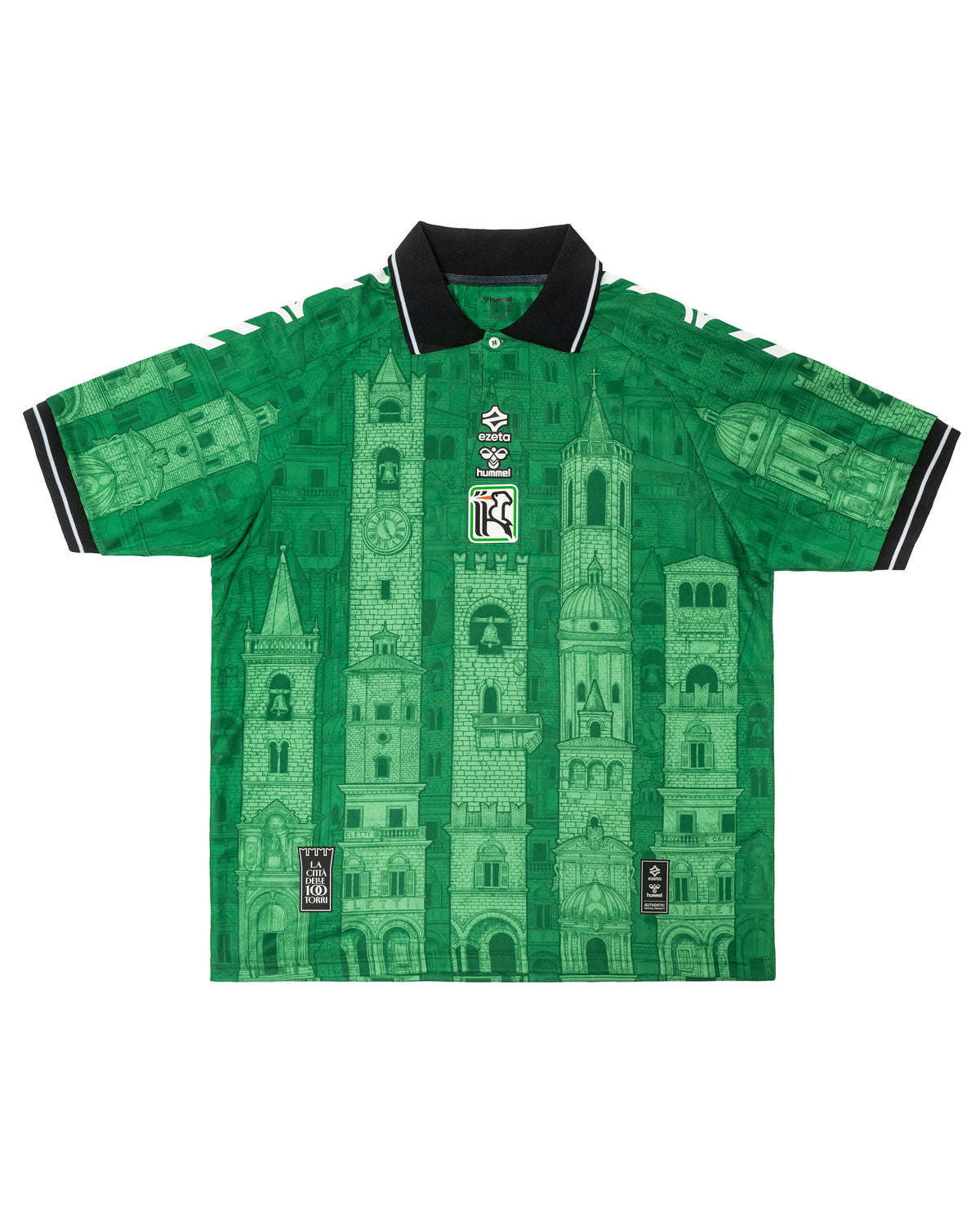
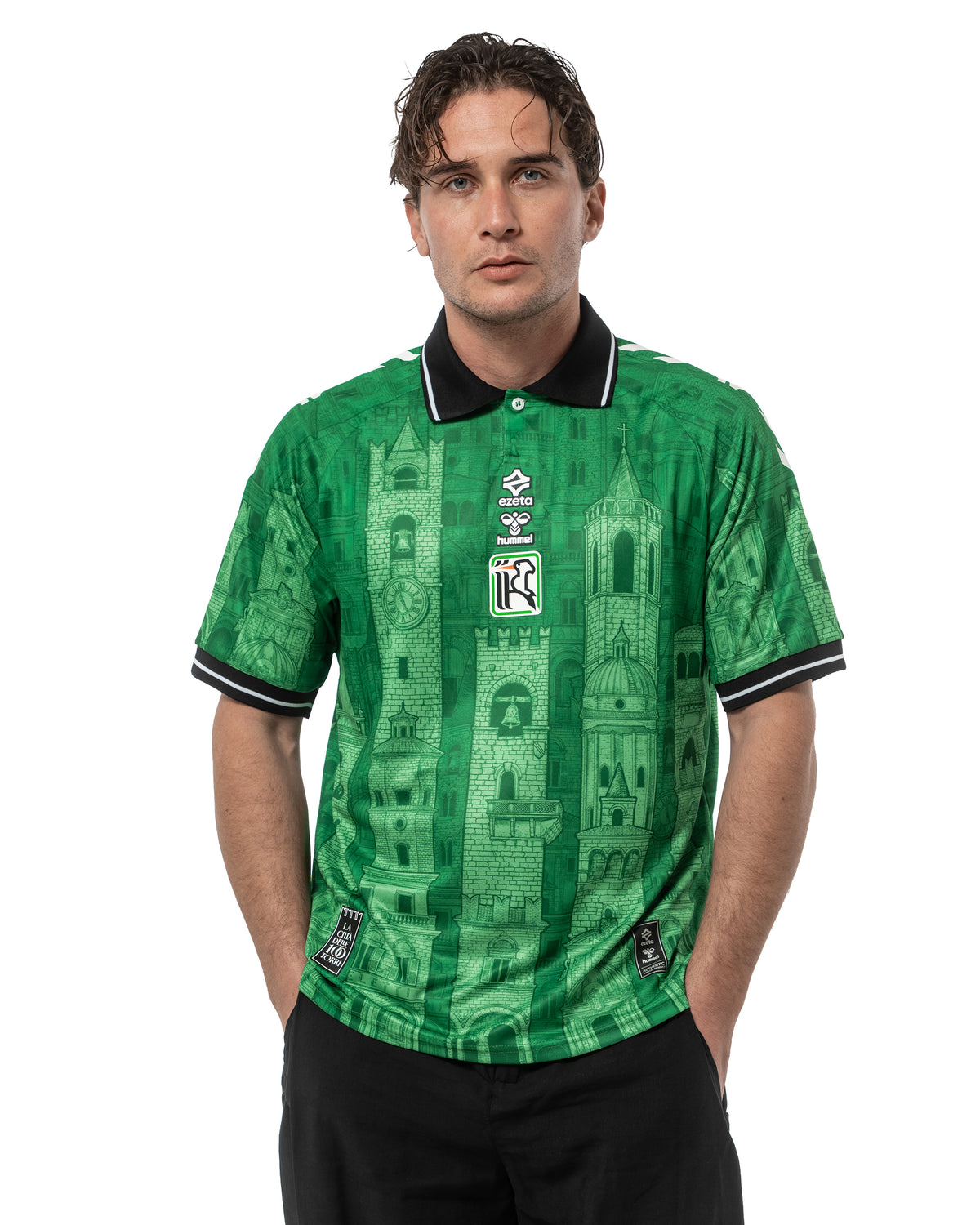

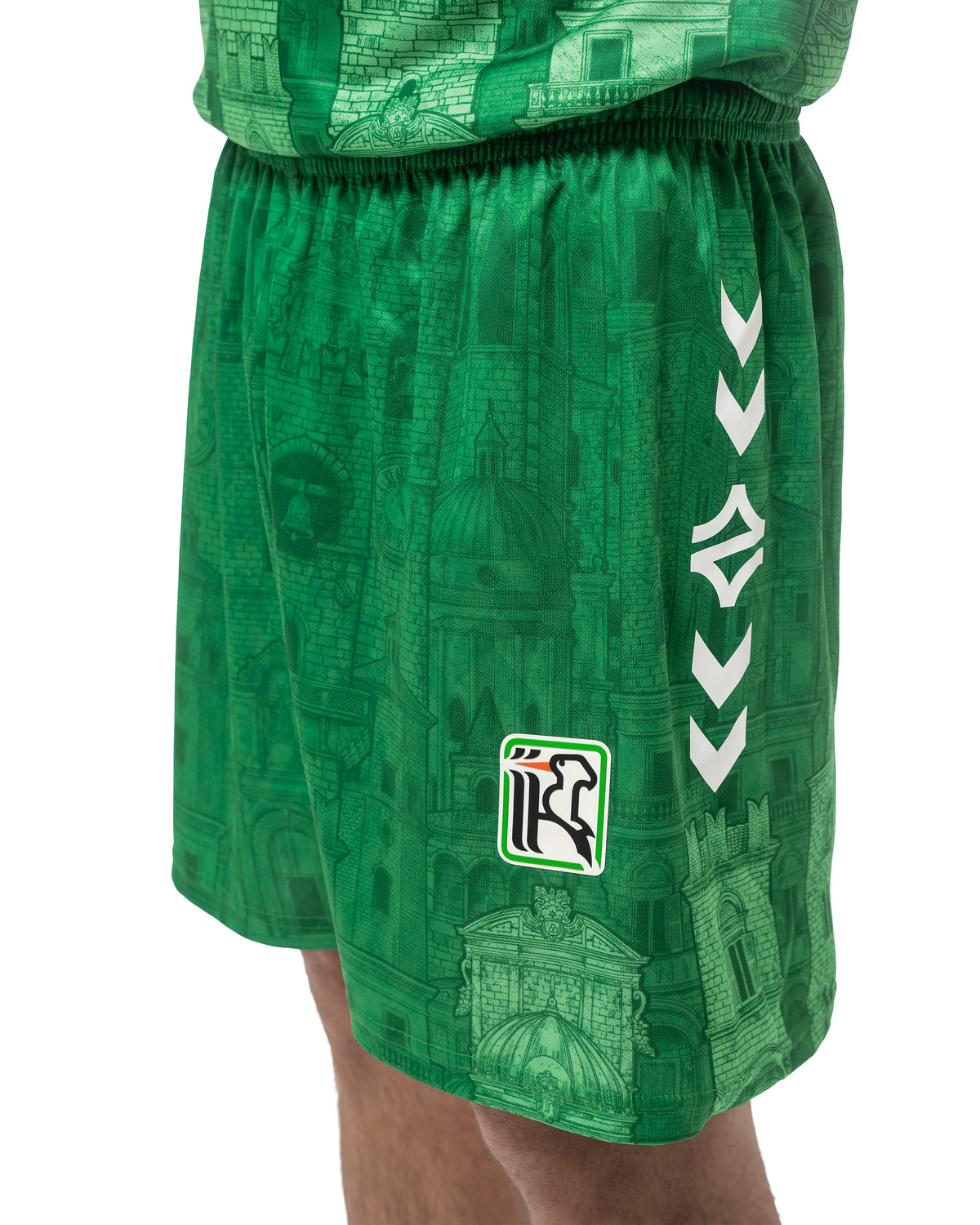
𝑨𝑺𝑪𝑶𝑳𝑰. 𝟏𝟎𝟎 𝑻𝑶𝑾𝑬𝑹𝑺. 𝑶𝑵𝑬 𝑱𝑬𝑹𝑺𝑬𝒀.
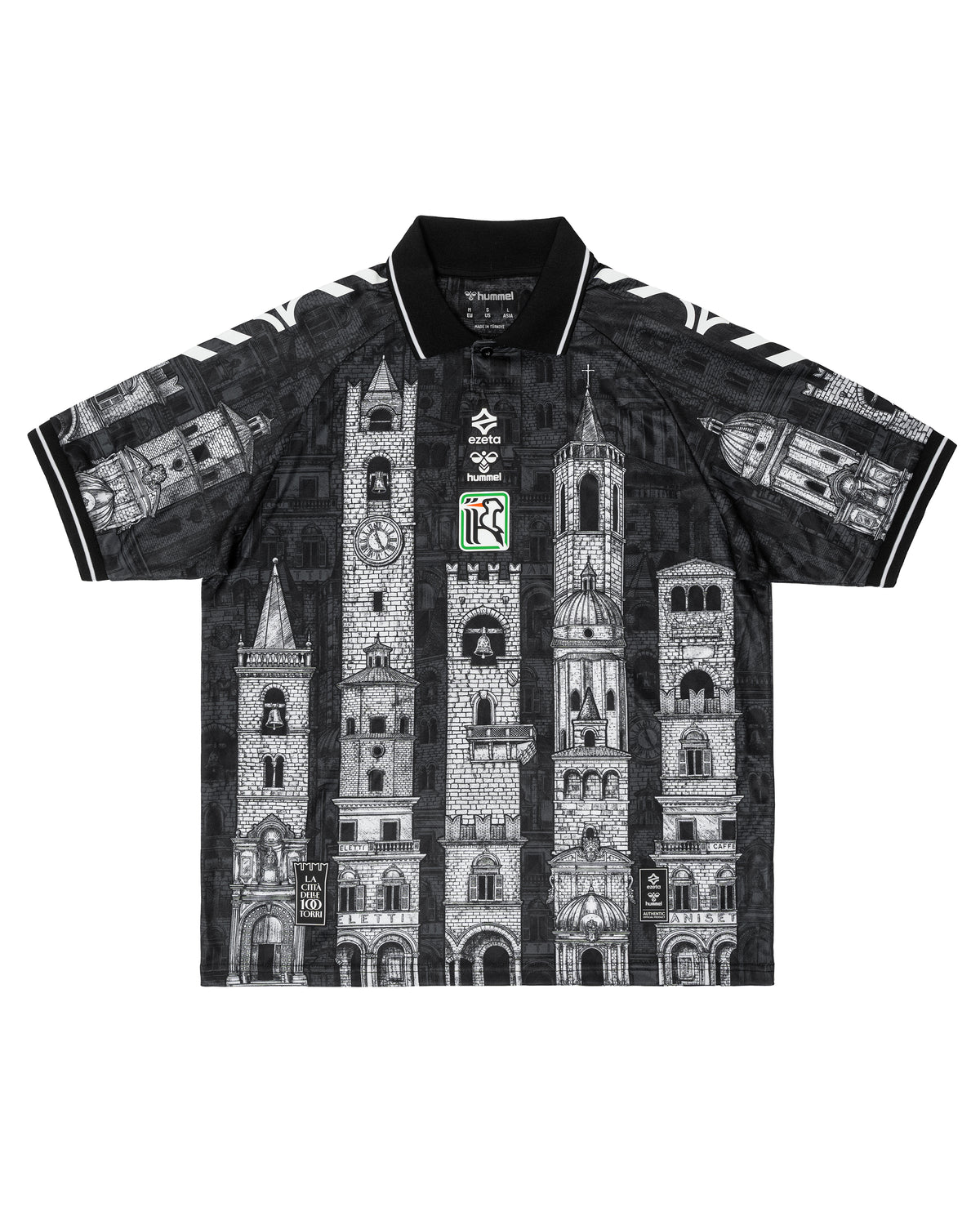
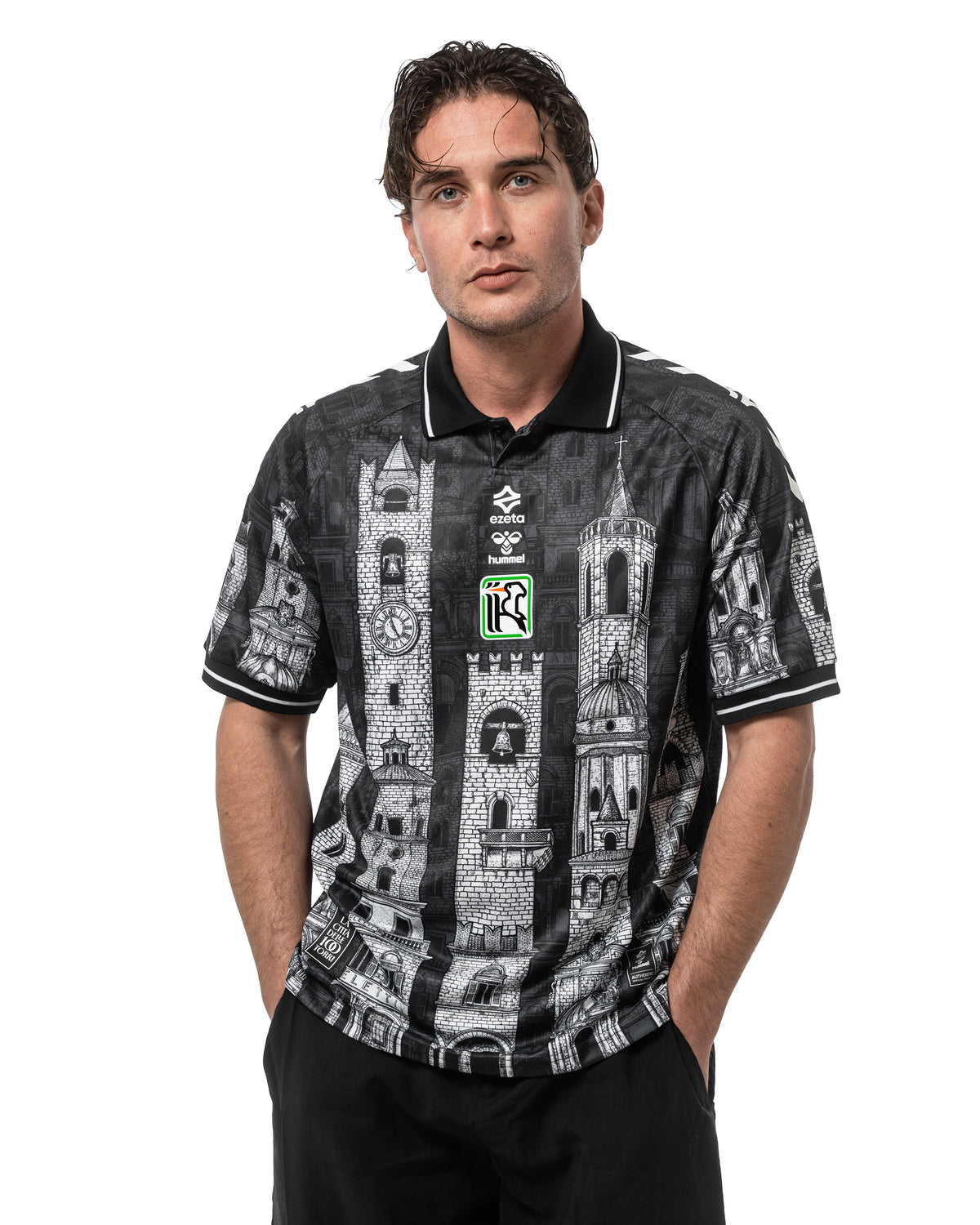
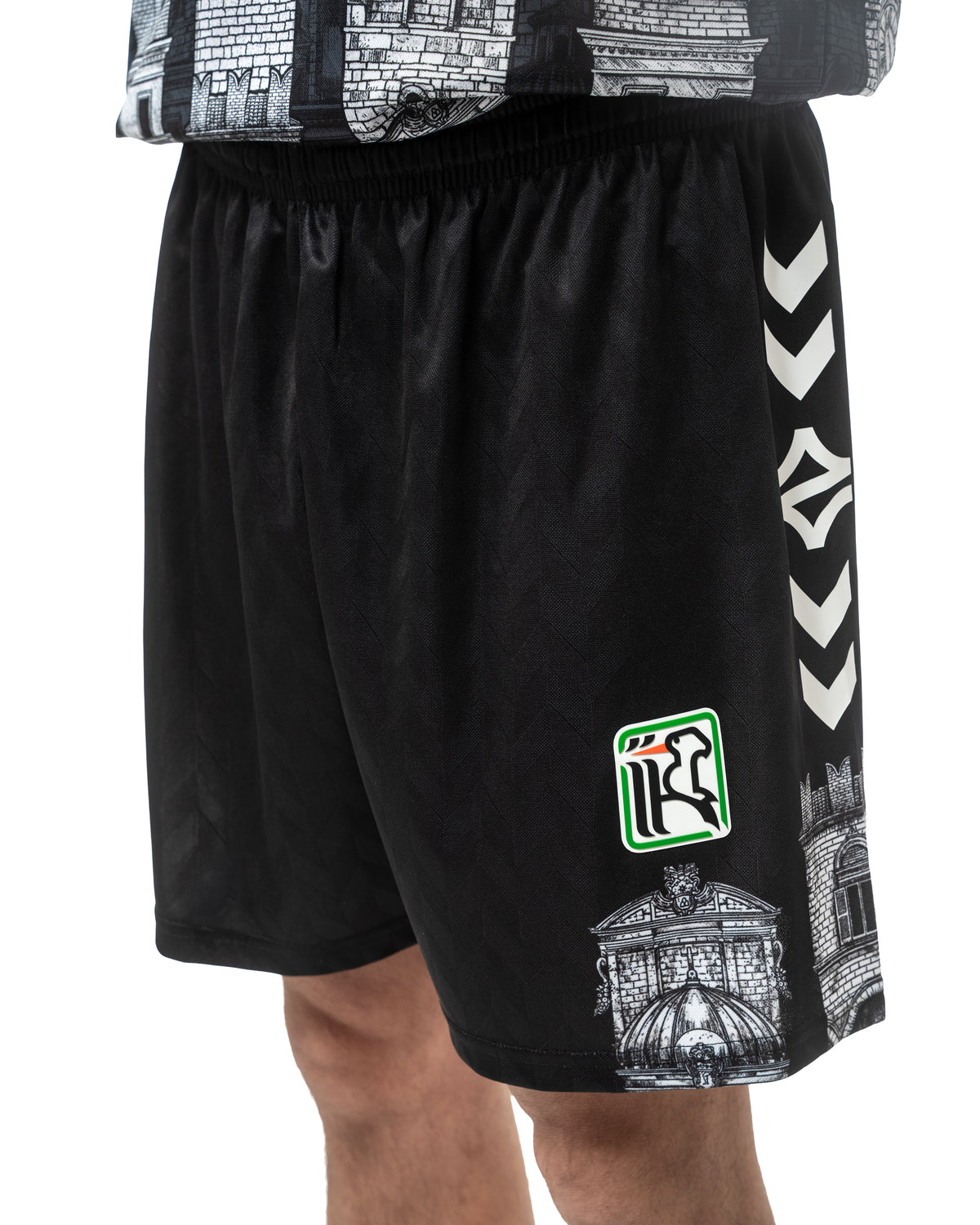
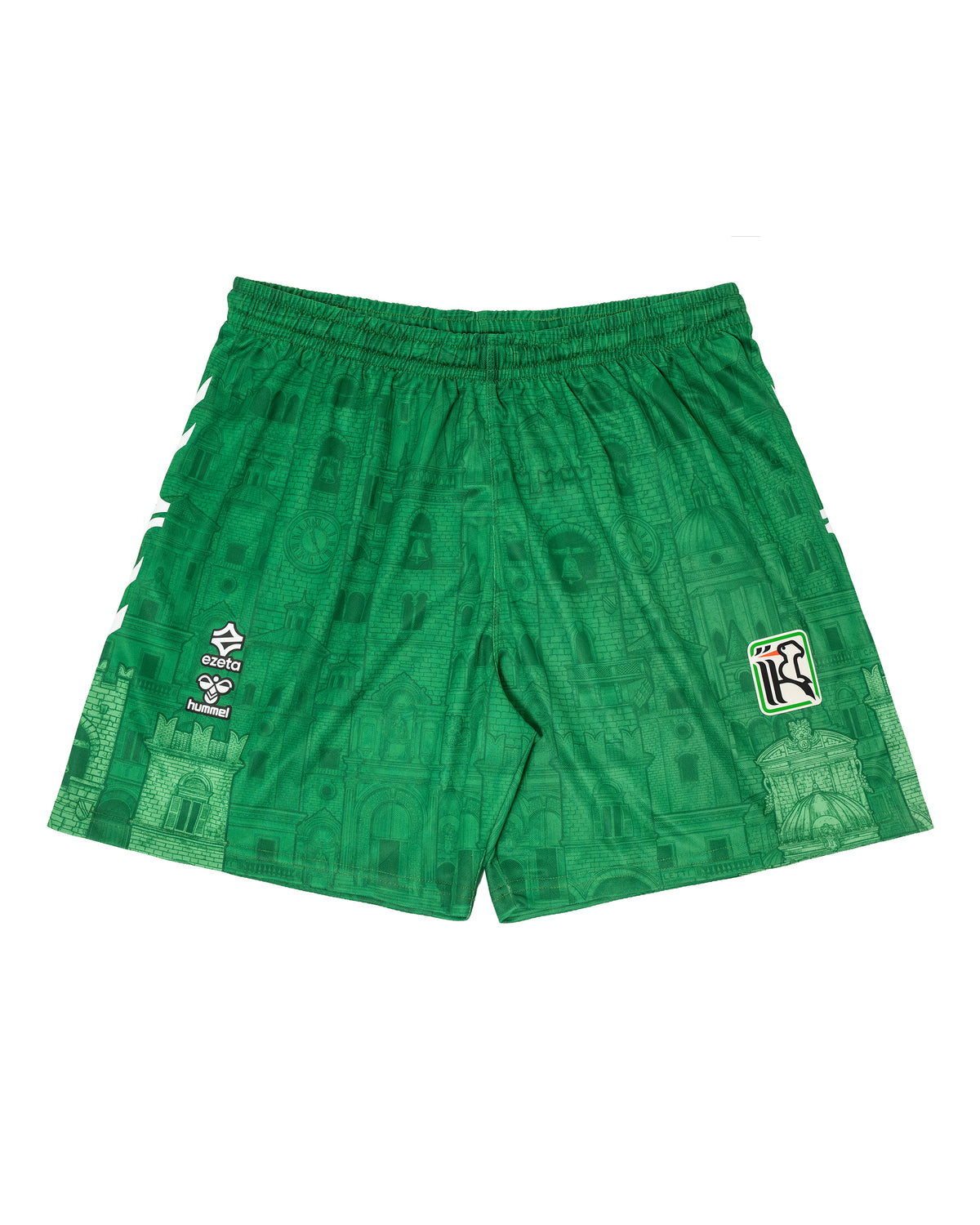
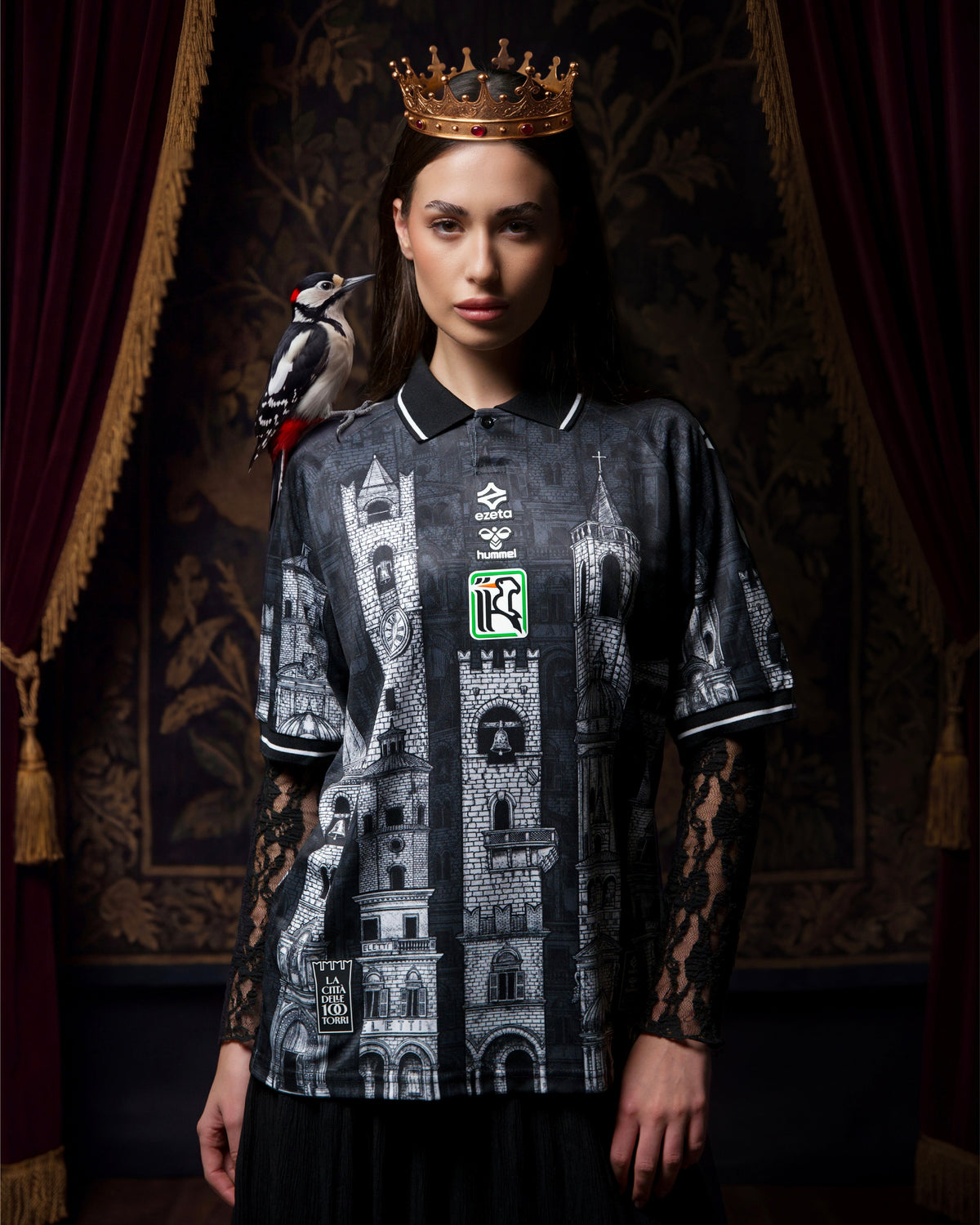
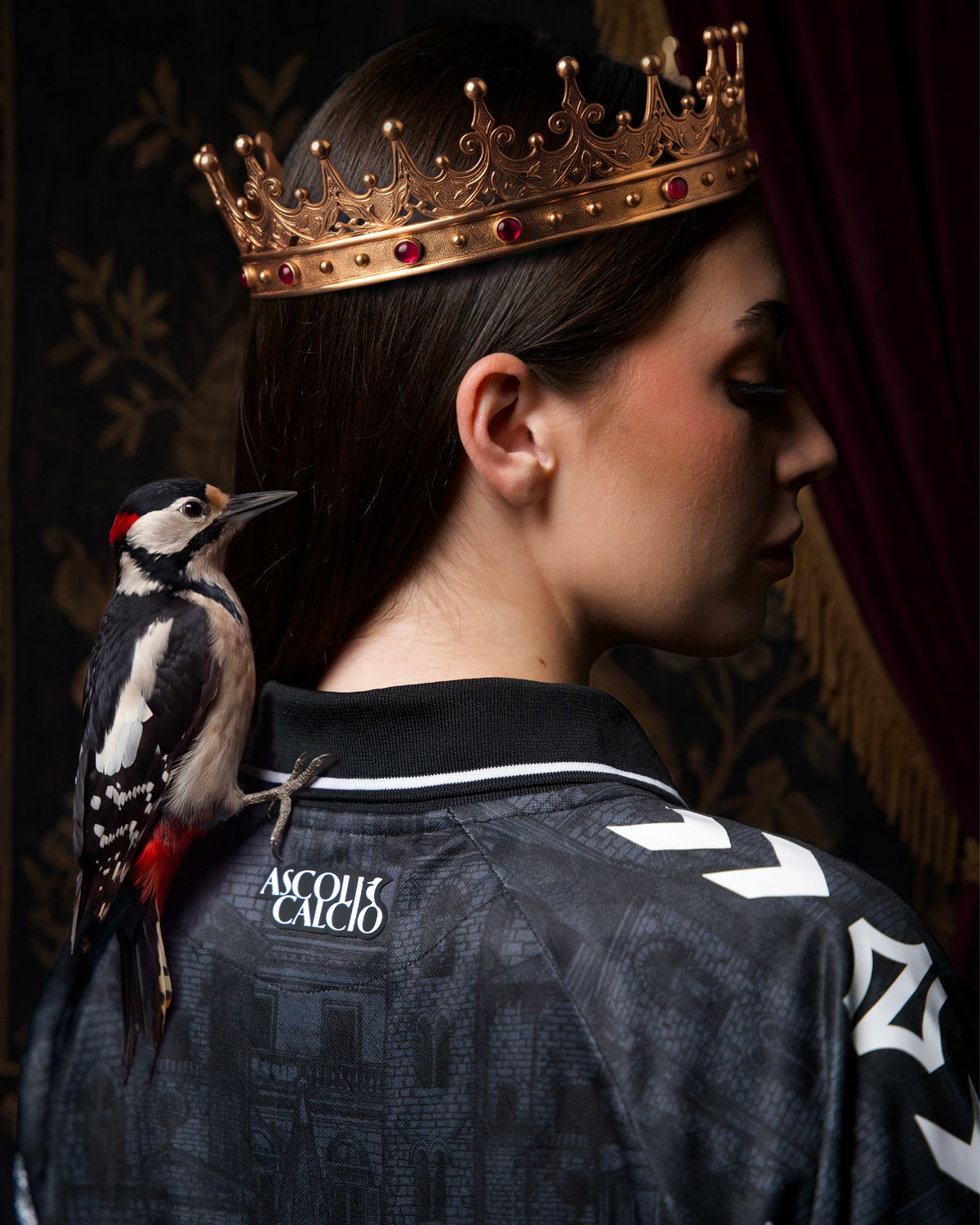
Introducing the new Ascoli calcio 1898 Fourth Kit 2026/27, created by Ezeta in collaboration with Hummelsport.
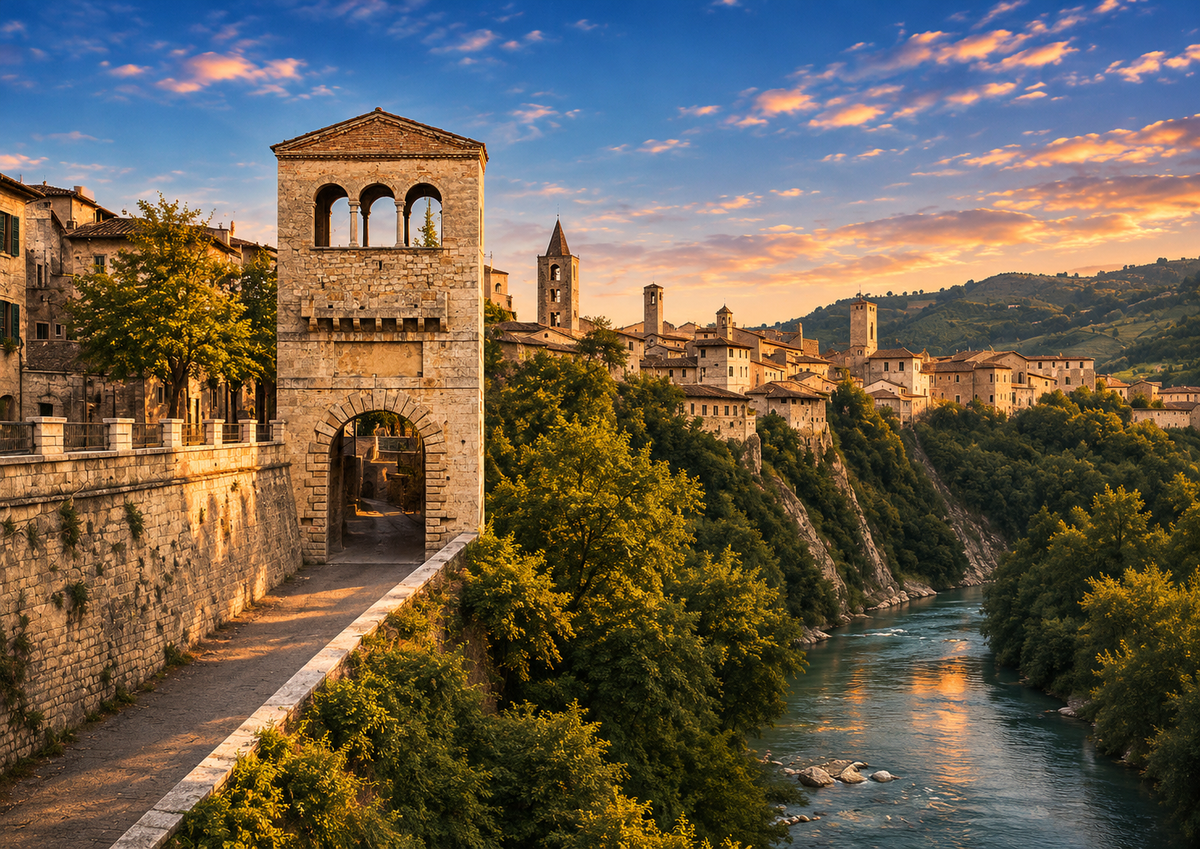
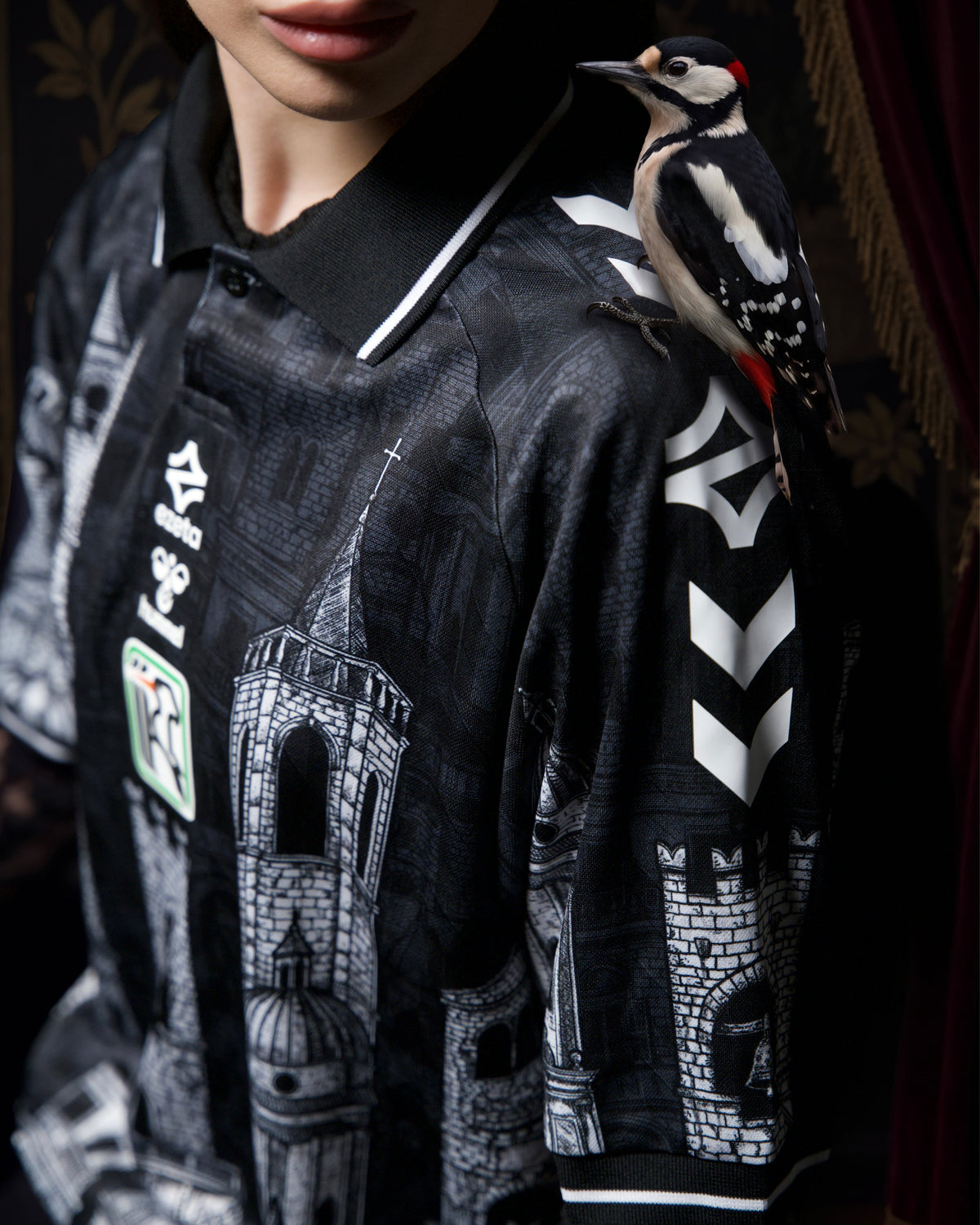
Inspired by Ascoli’s medieval skyline, the black and white stripes feature the city’s iconic towers, historic palaces and Piazza del Popolo.
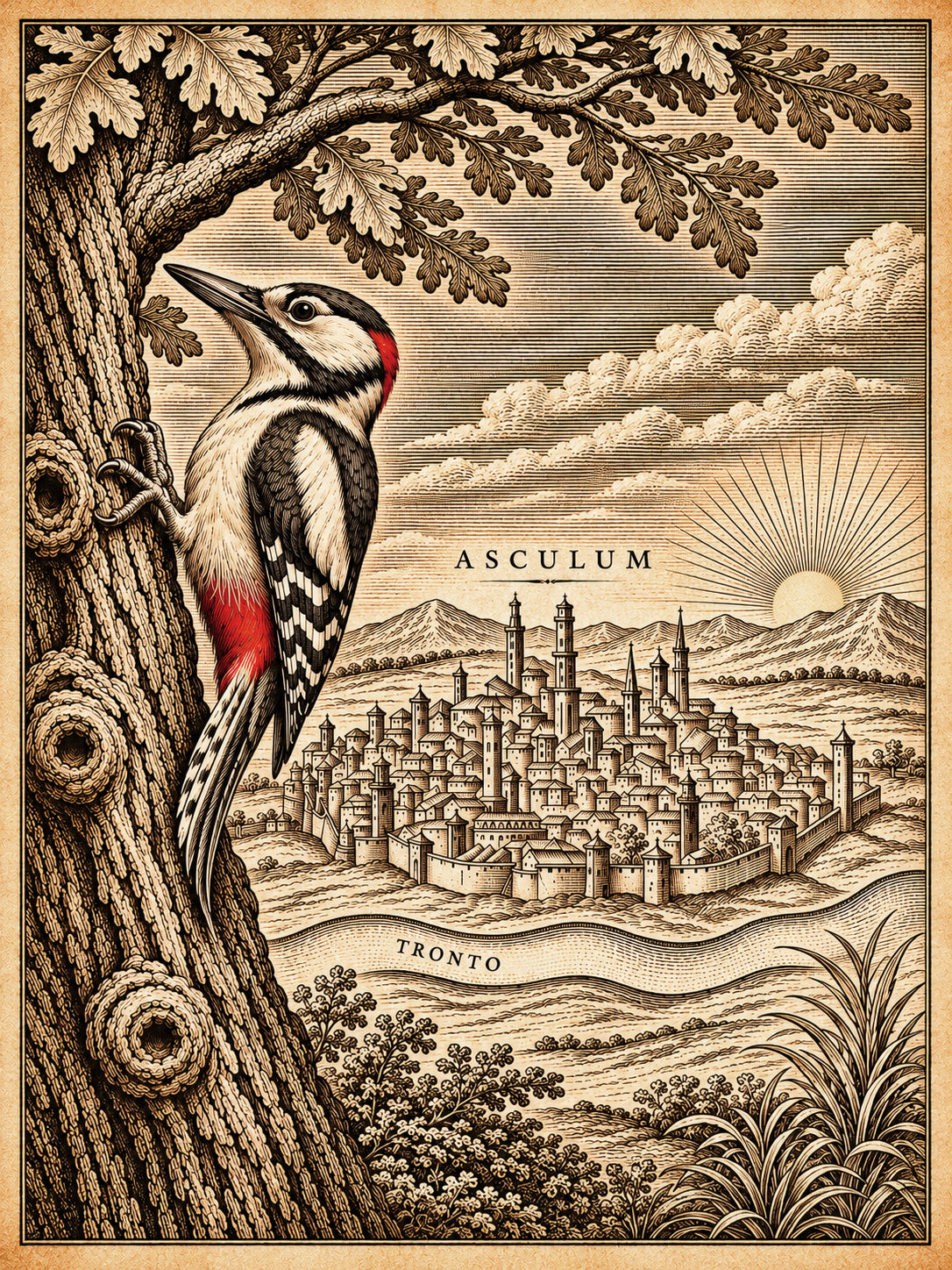
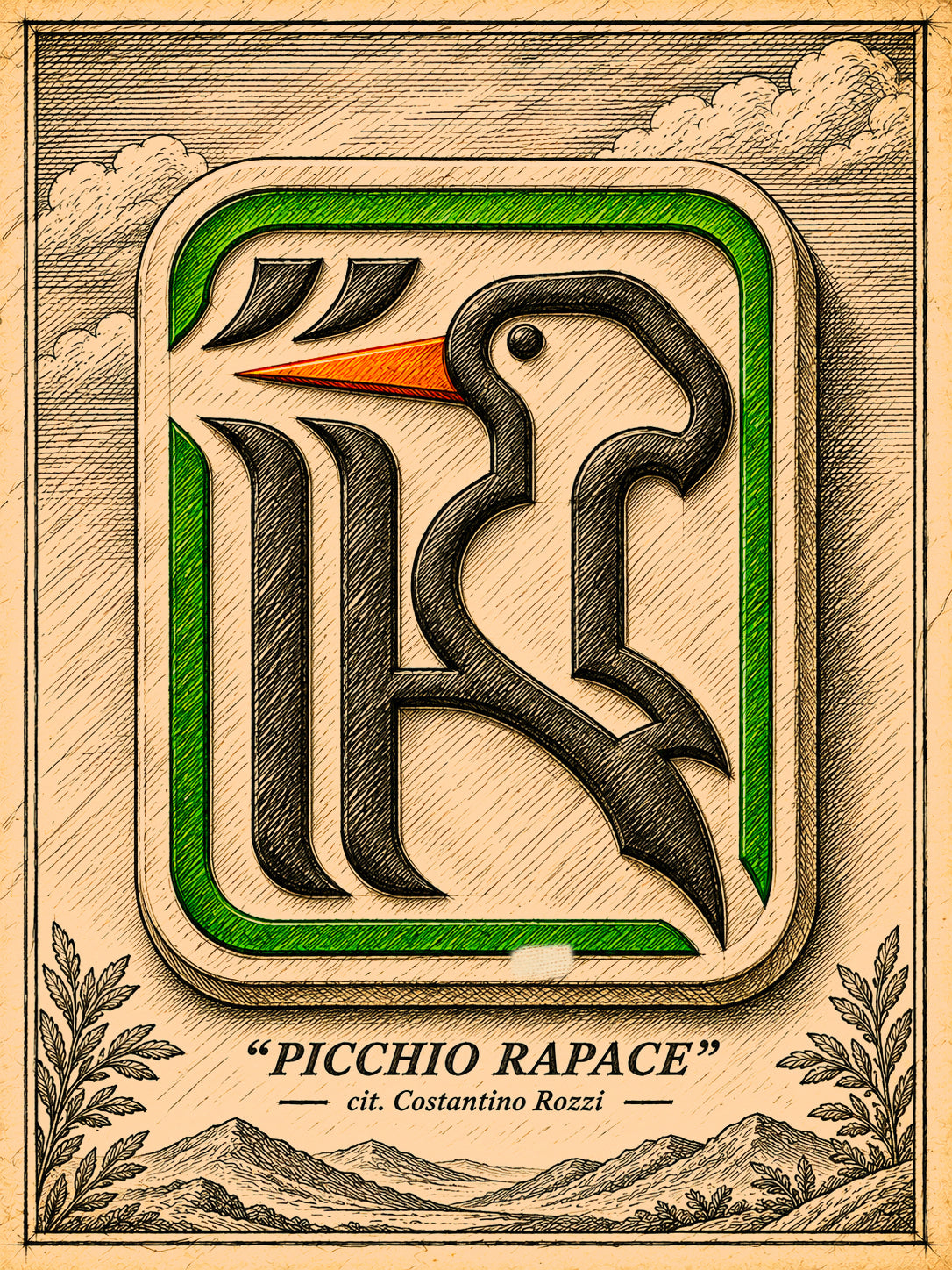
At its heart, the Woodpecker, the ancient symbol of the Picene people and Ascoli Calcio.
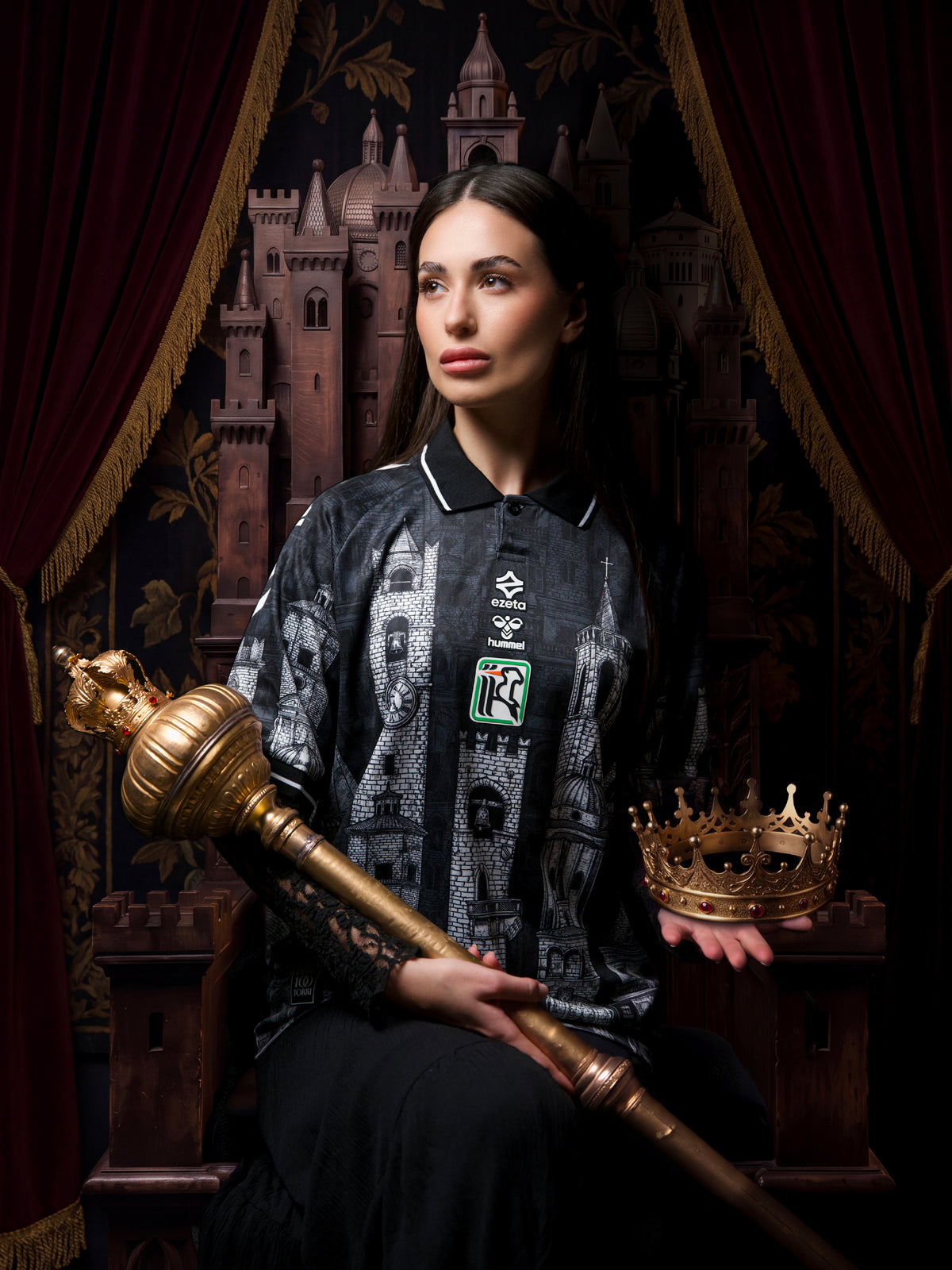
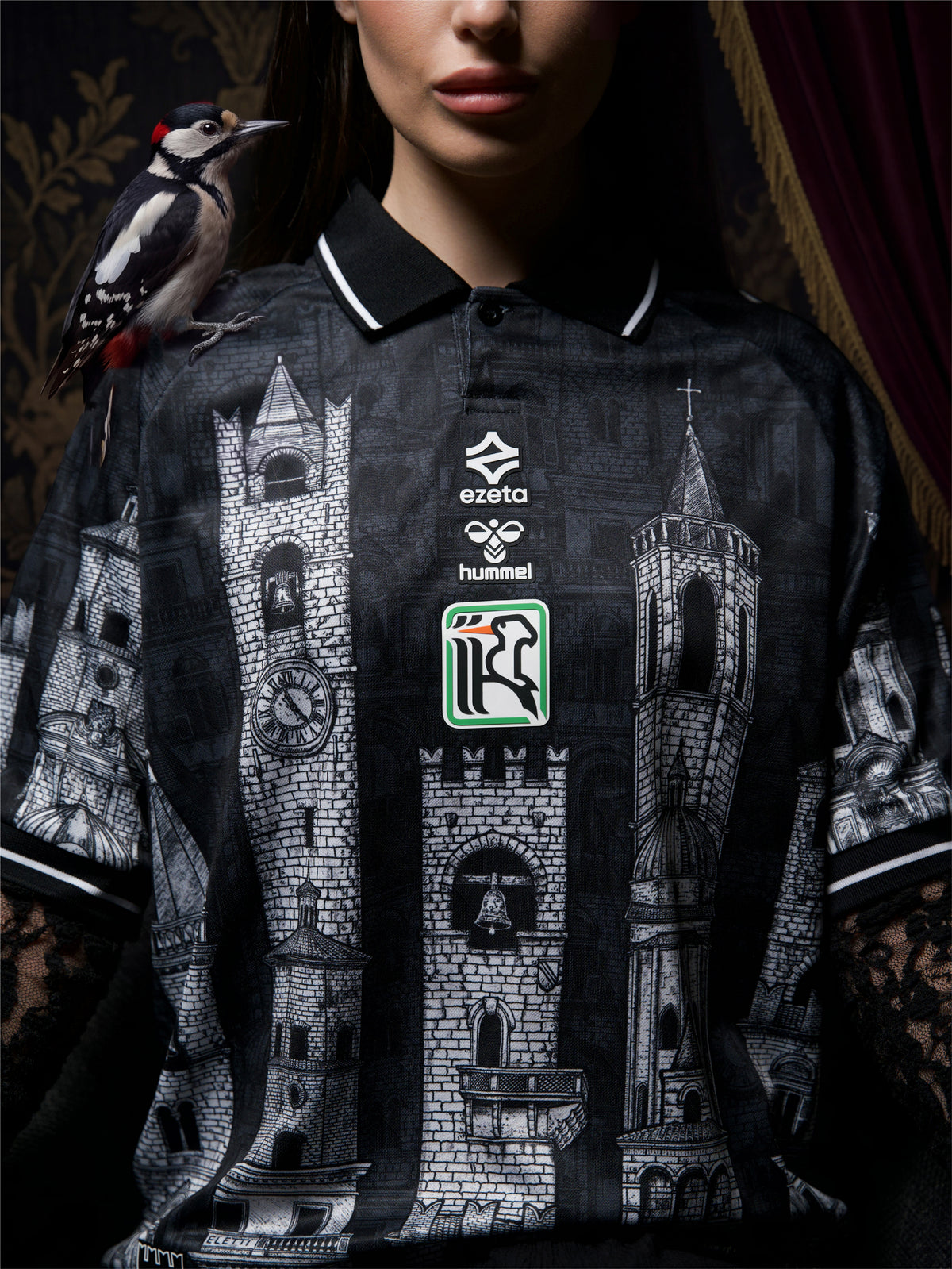
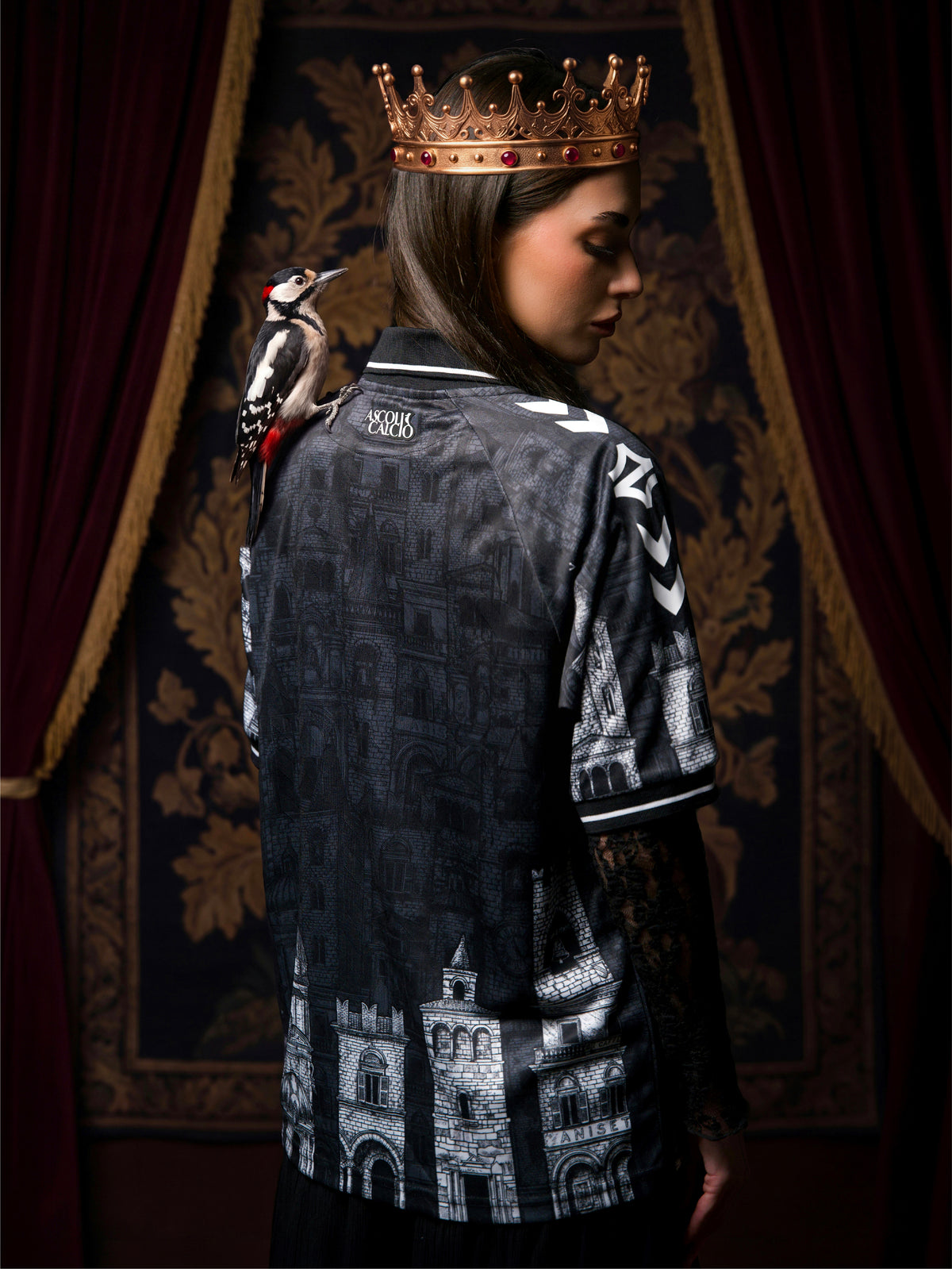
The campaign celebrates Ascoli Calcio’s identity as “The Queen of the Marche”.
A tribute to history, heritage and black and white pride.
THE LEGEND OF THE WOODPECKER
Ascoli and the Woodpecker are bound by a history spanning thousands of years.
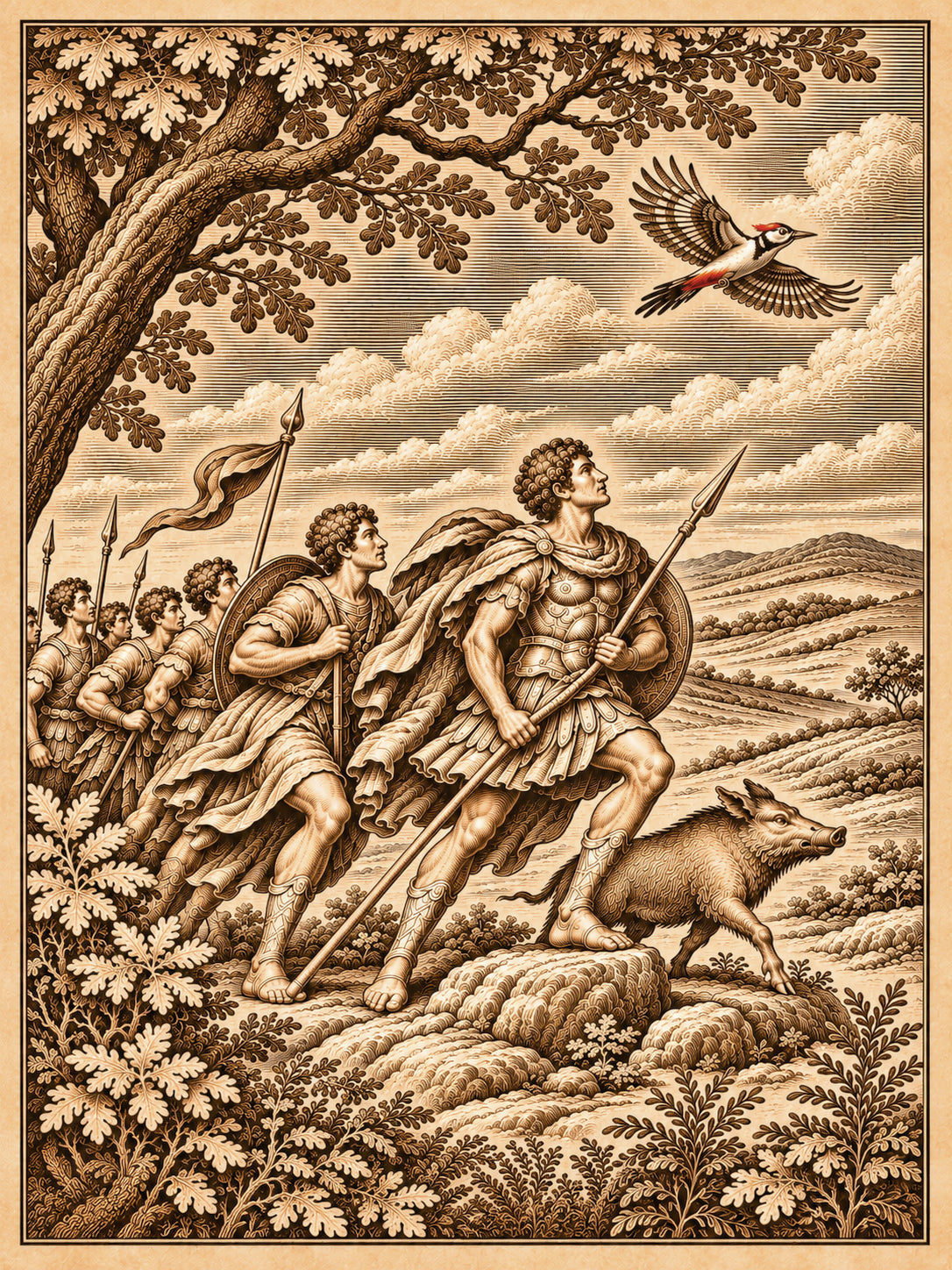
Legend has it that, in the 5th century BC, a group of young Sabines set out in search of new lands. During their journey, a Woodpecker, the sacred bird of Mars, god of war, guided them to the place where Ascoli would eventually rise.
Landing on their banners, it showed them a fertile land where they could settle and build a new city: Askl, later known as Asculum.
From that moment on, they became known as the Picentes, the People of the Woodpecker. Ever since, the Woodpecker has been the symbol of their people: an emblem of strength, courage and determination.
The Symbol of Ascoli Calcio 1898.
THE CITY OF 100 TOWERS
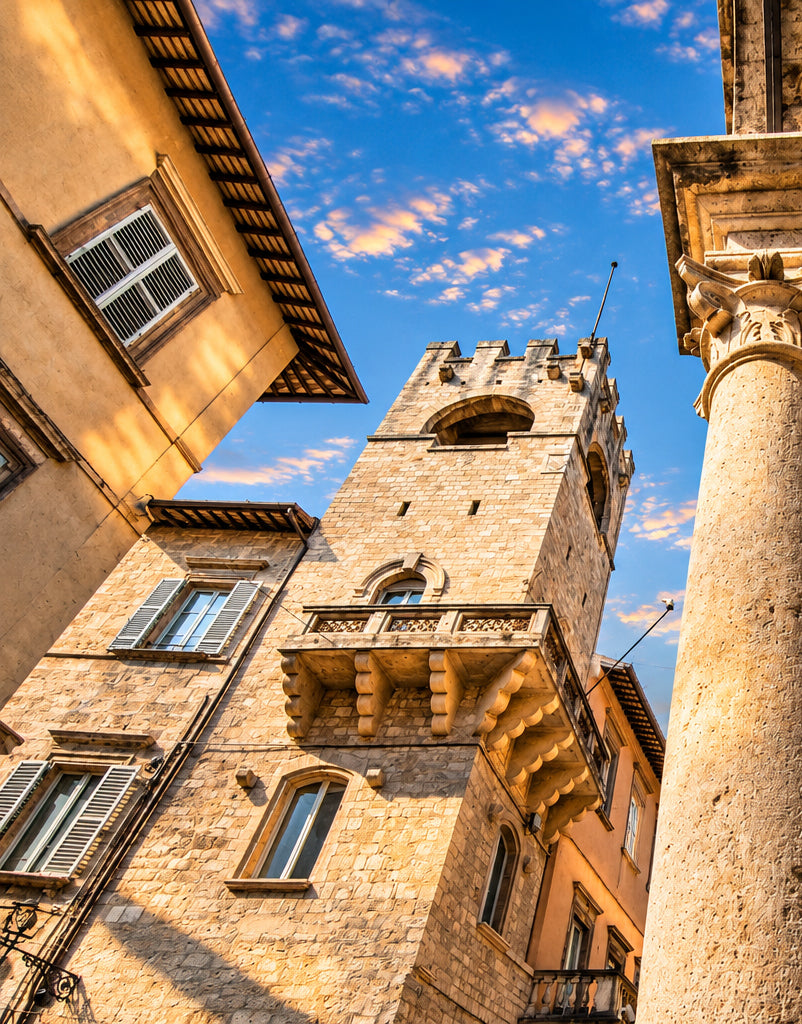
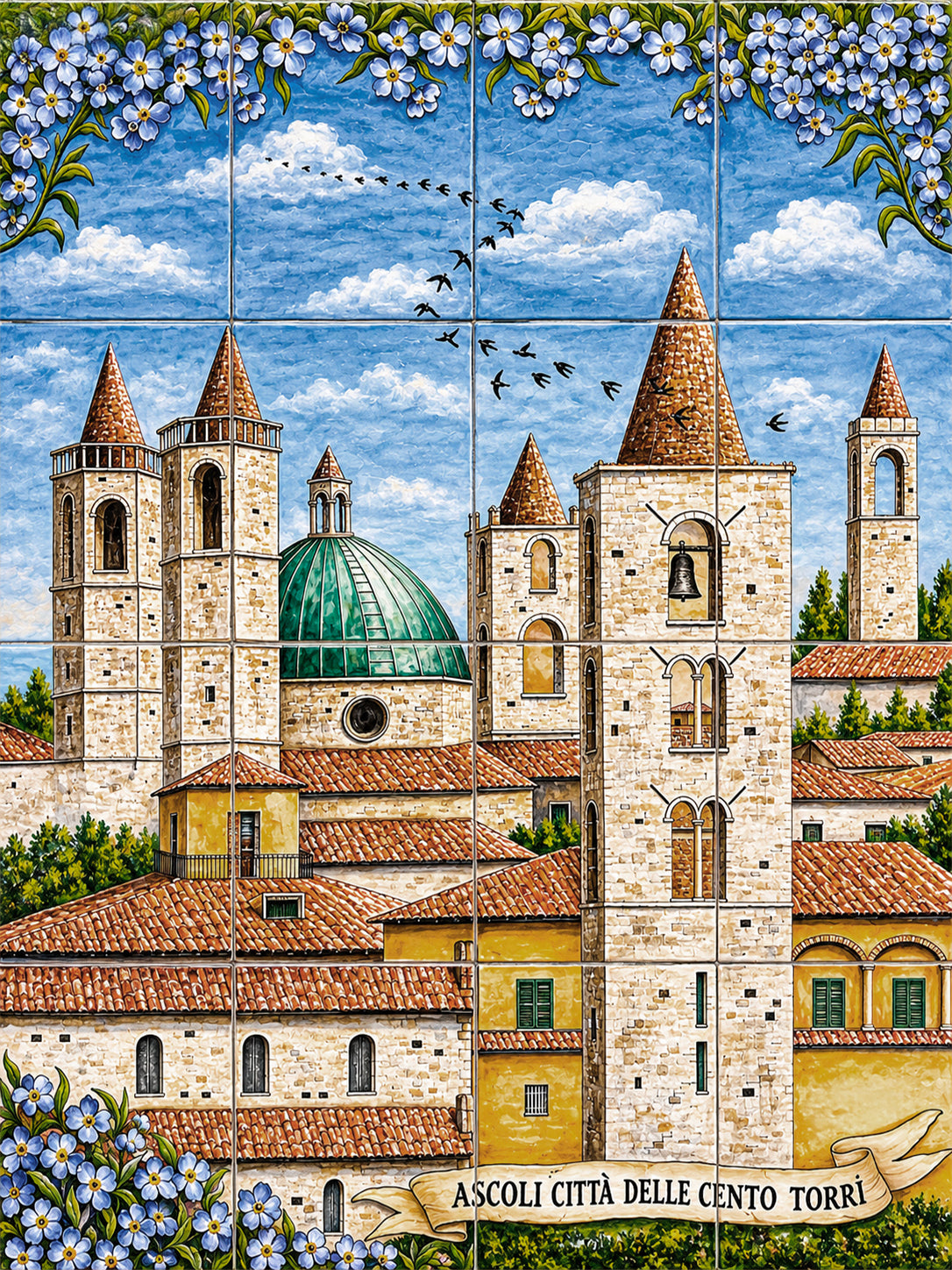
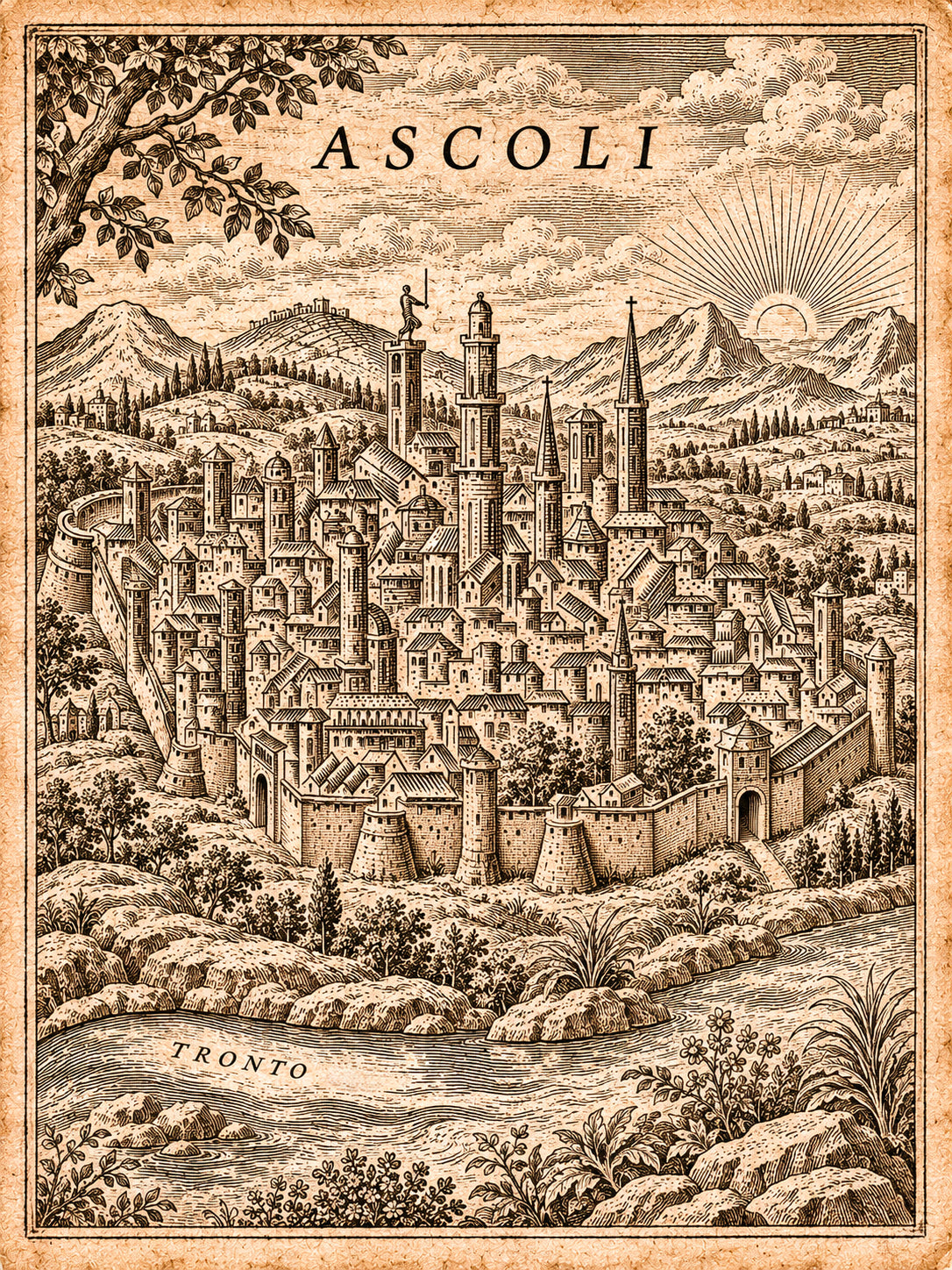
Ascoli Piceno is known as the City of 100 Towers, but during the Middle Ages, the city boasted around 200.
Built from the year 1000 onwards by the most powerful families, these towers served as private fortresses to defend against enemies, but above all as symbols of wealth and prestige: the taller the tower, the greater the family's power.
In 1242, Emperor Frederick II ordered no fewer than 91 towers to be demolished during the siege of the city. Many others disappeared over the centuries due to wars and earthquakes.
Today, only a few remain, precious reminders of a time when towers dominated the city skyline and symbolised the strength and prestige of Ascoli’s most powerful families.
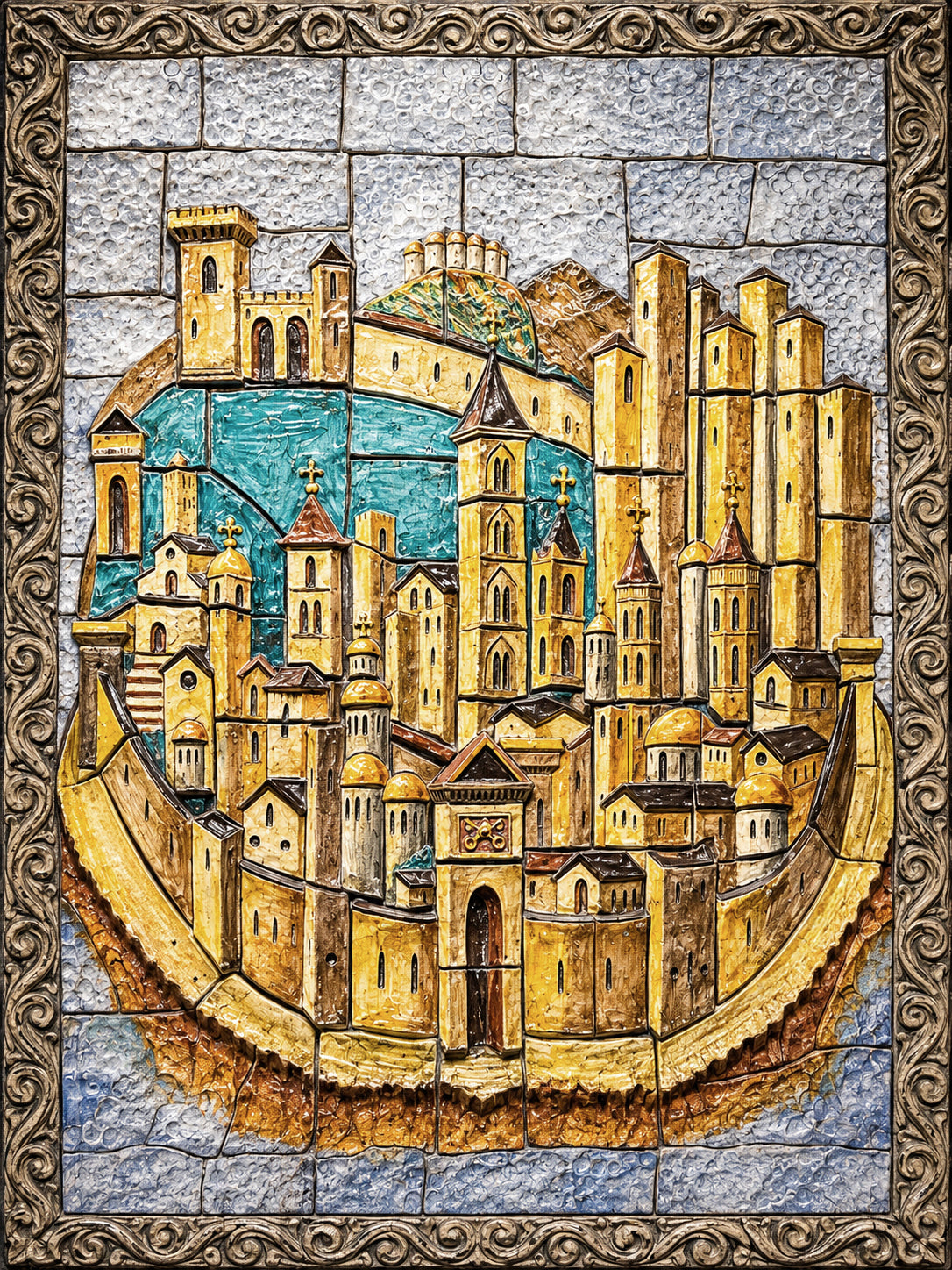
ITALY'S GRAND SALON
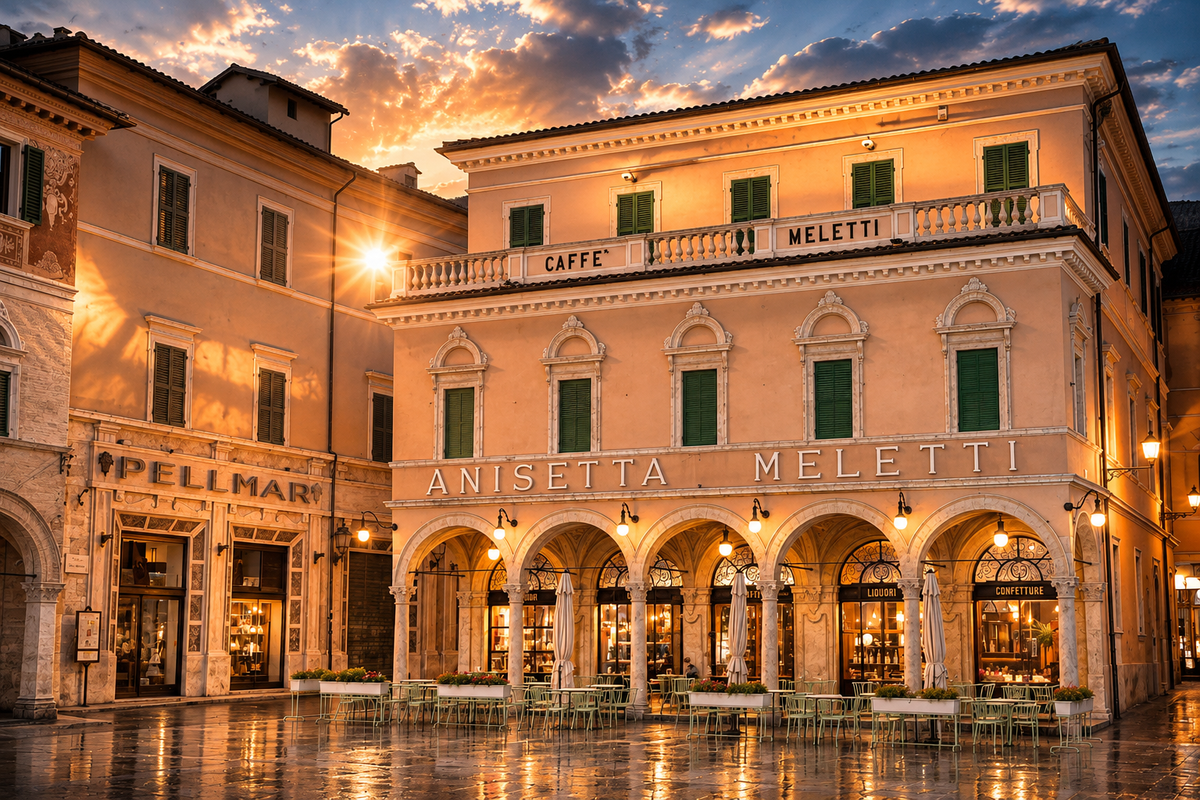
Ascoli Piceno is often called Italy's Living Room, a name inspired by the elegance of its squares and the beauty of its architecture.
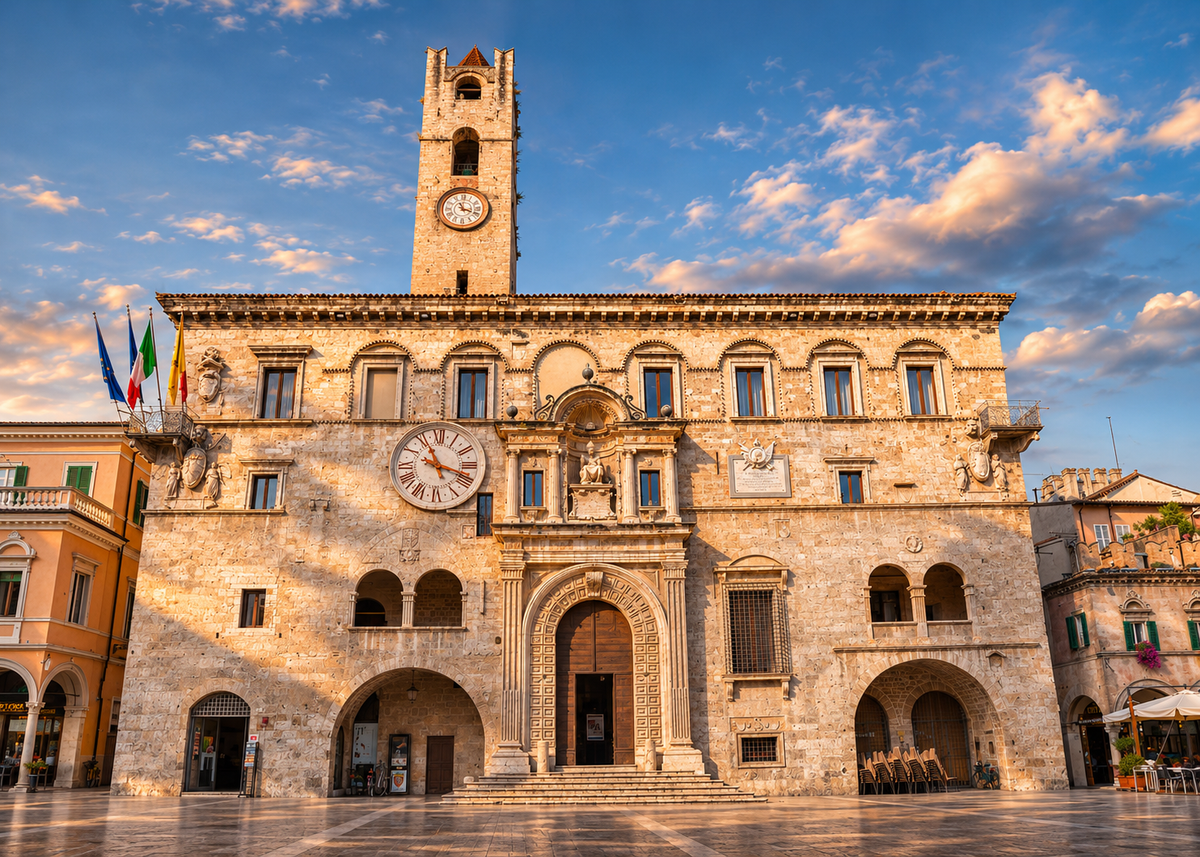
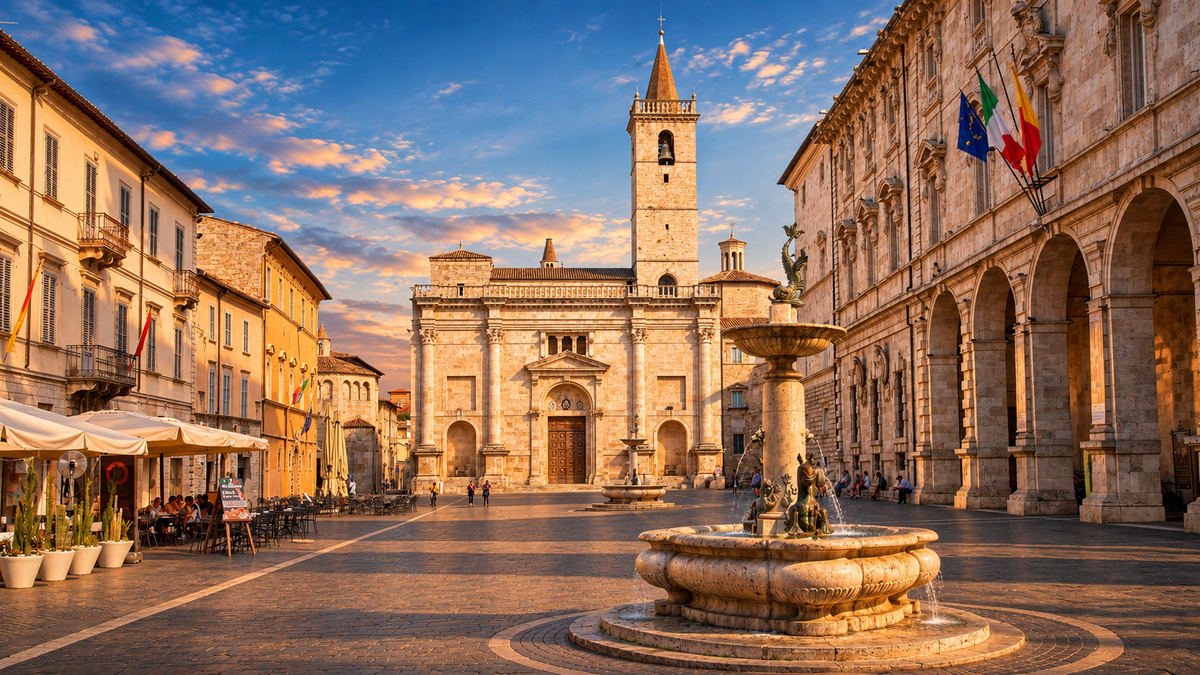
At the heart of the city lies Piazza del Popolo, widely regarded as one of Italy's most beautiful squares.
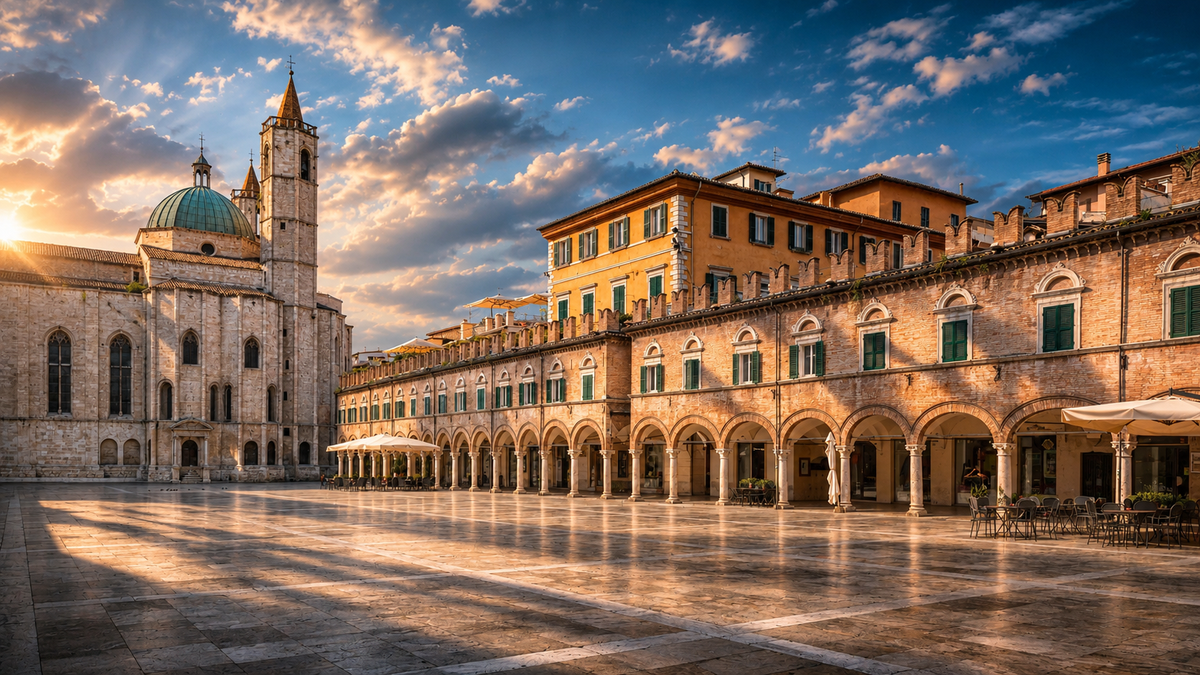
Framed by elegant Renaissance palaces, arcades, arches and grand façades, it captures the distinctive architectural character of Ascoli.
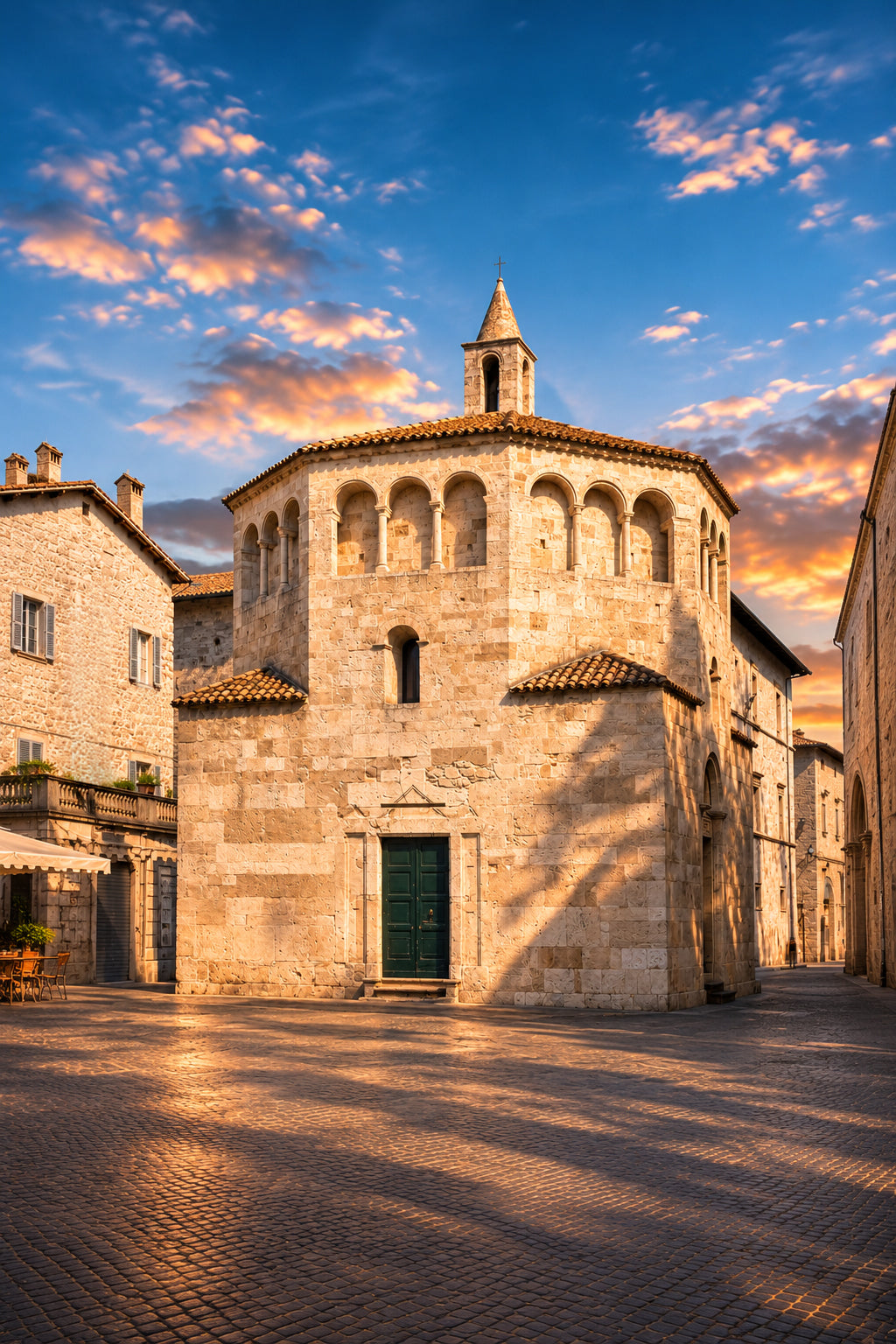
Since the 16th century, these buildings have shaped the city's identity, with their harmonious lines and travertine façades. This pale stone can also be found throughout the historic centre, paving its streets and adorning its columns and doorways.
Travertine is what gives Ascoli its unmistakable character: a timeless beauty, carved in stone.