


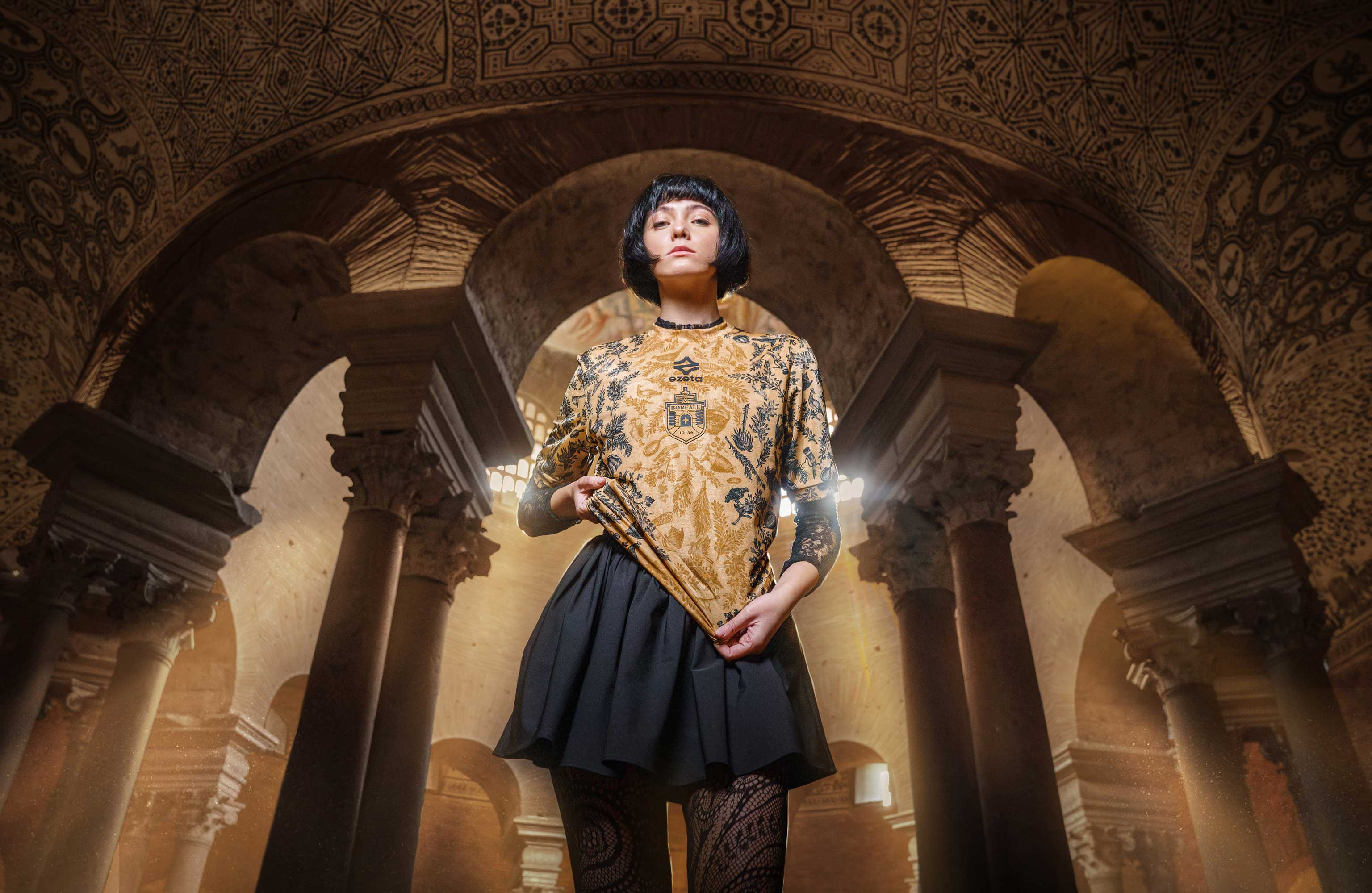






I PRIMI MOSAICI CRISTIANI
IL MAUSOLEO DI SANTA COSTANZA


Il Mausoleo fu costruito nella metà del IV secolo per custodire le reliquie di Costantina, figlia di Costantino, venerata dalla Chiesa Cattolica con il nome di Santa Costanza.
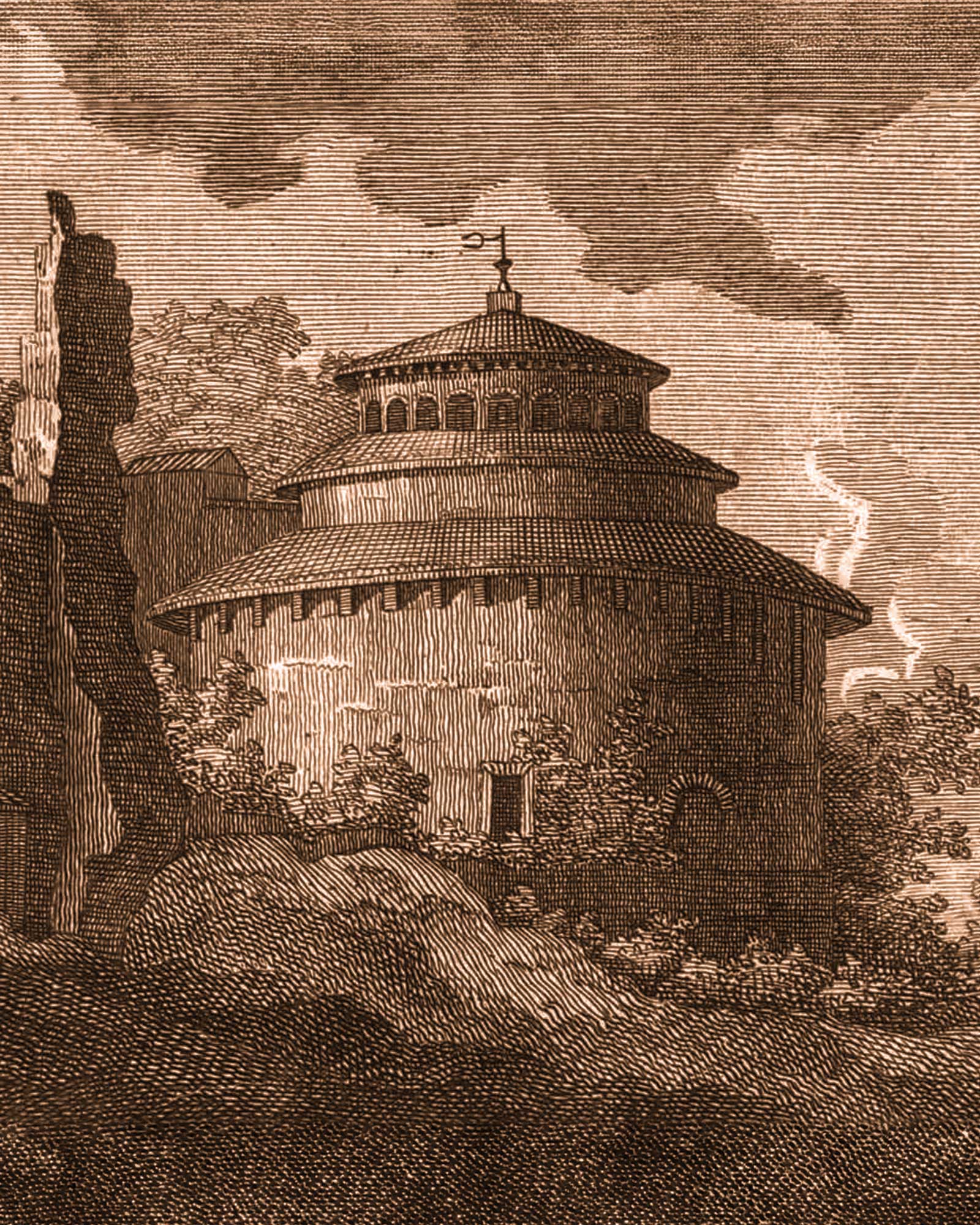
Secondo la leggenda, Costanza, affetta da una malattia incurabile, si recò presso la tomba di Sant'Agnese a Roma, dove miracolosamente guarita si convertì al Cristianesimo.
I meravigliosi mosaici cristiani che decorano le volte del Mausoleo sono tra i più antichi ancora conservati a Roma. Le decorazioni musive alternano motivi geometrici a scene naturalistiche.


Alle geometrie astratte, ispirate alle pavimentazioni delle domus romane di tradizione pagana, si contrappongono raffigurazioni di una natura libera, arricchite da elementi vegetali come fiori e frutti, animali come colombe e pavoni, e simboli cristiani battesimali quali anfore, coppe e piattini.

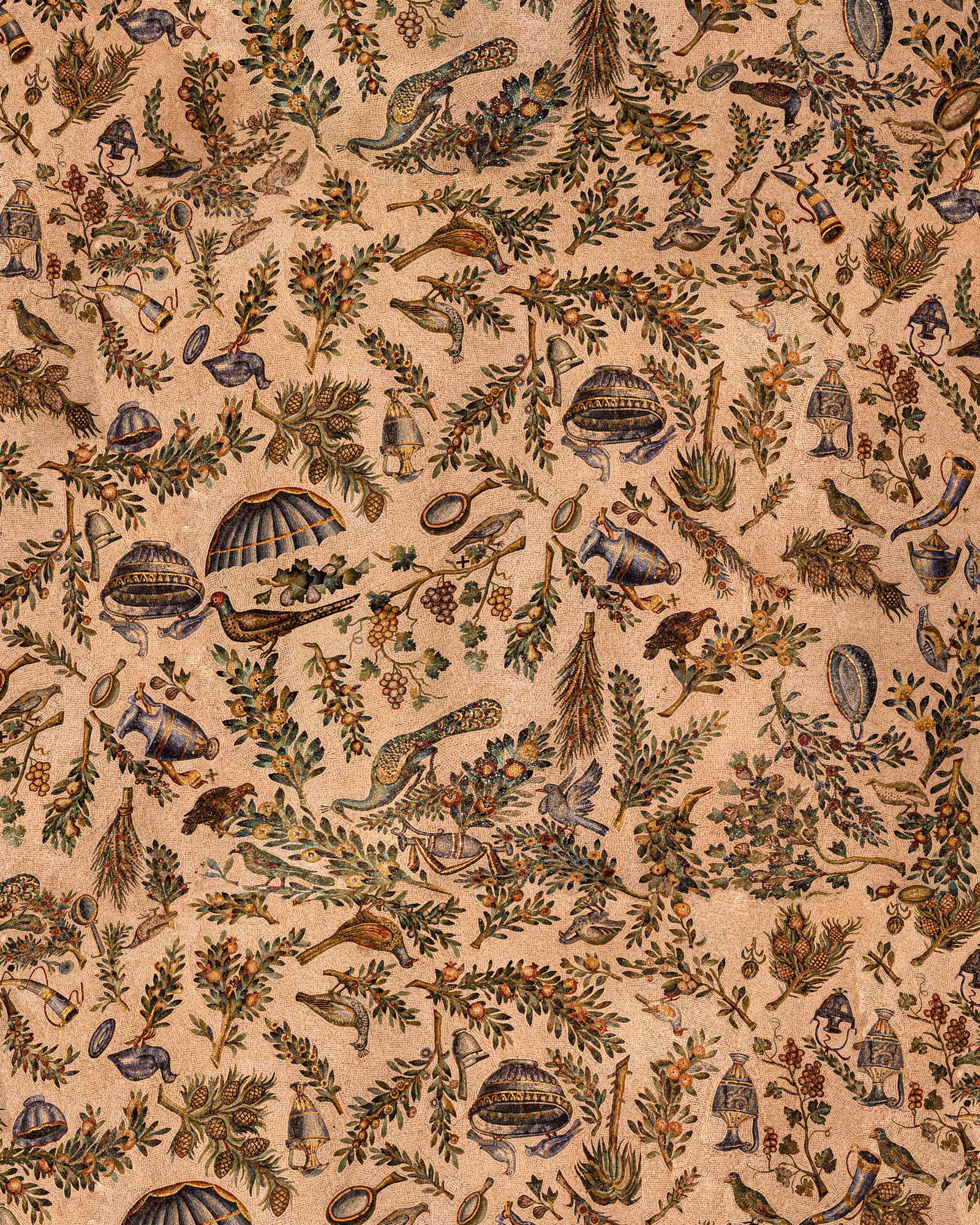
Il mausoleo di Santa Costanza rappresenta un'eccezionale testimonianza della transizione dai temi tradizionali pagani all'arte paleocristiana.

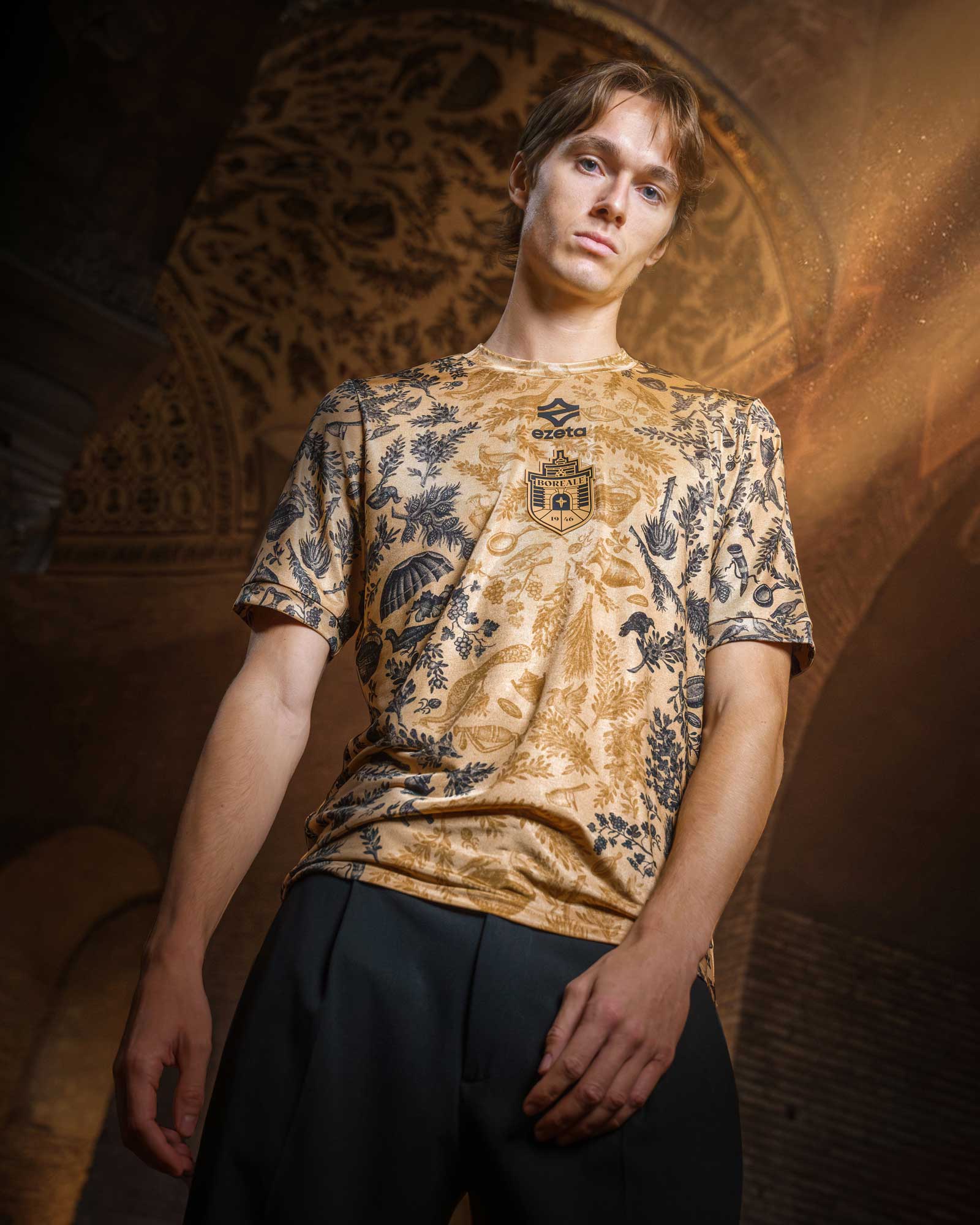
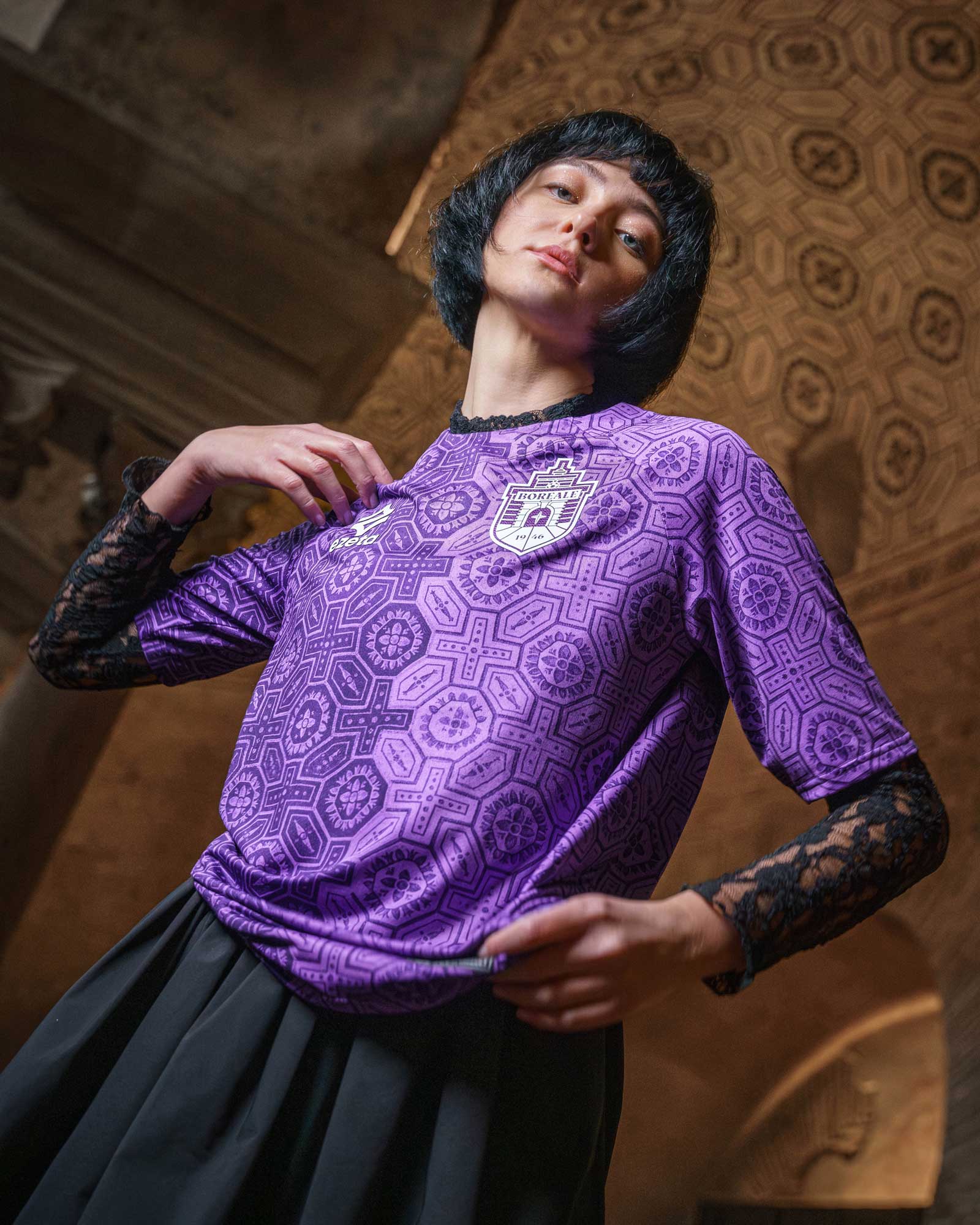
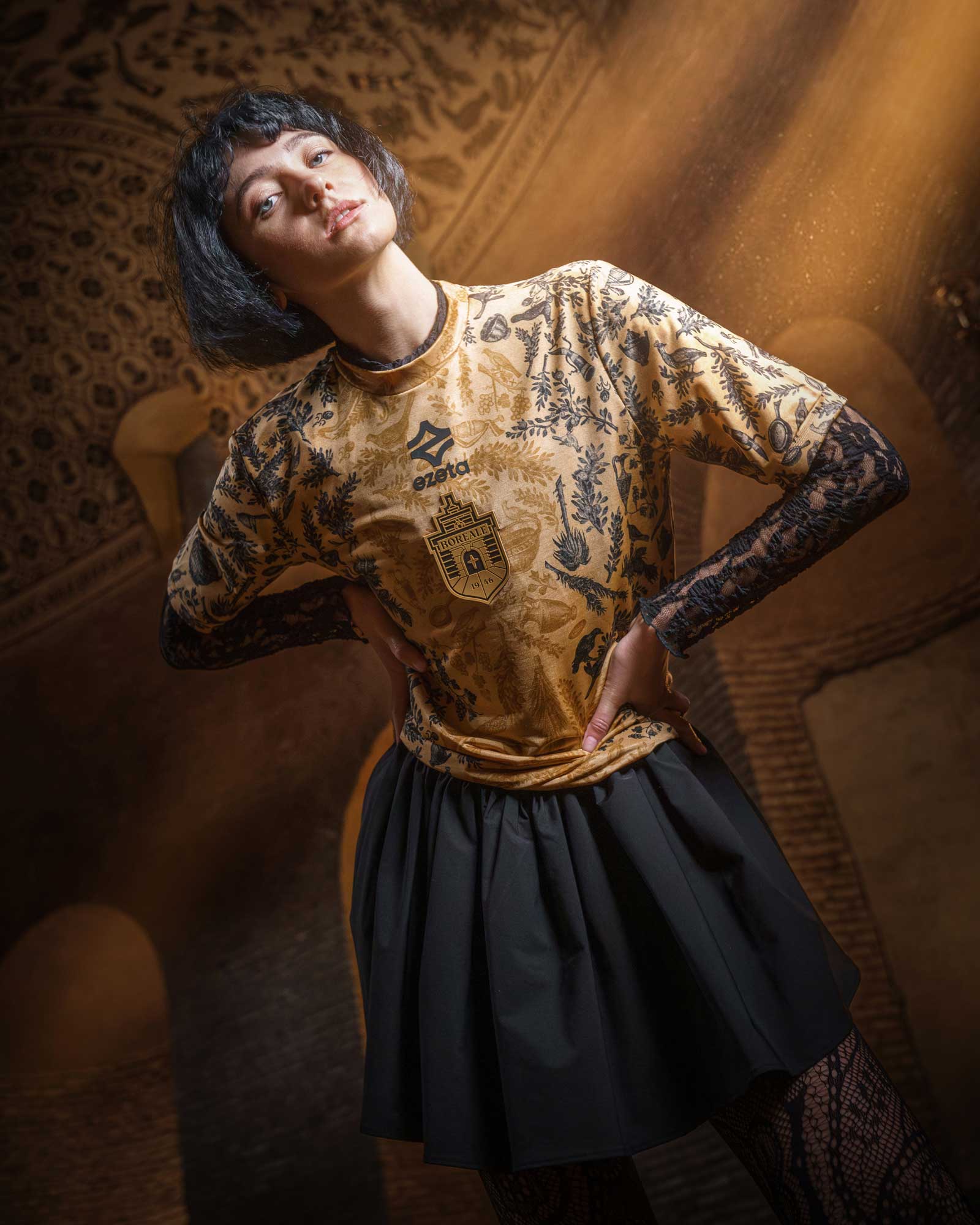



Gli scatti della campagna immortalano la purezza e la beatitudine di Santa Costanza, sia nel Mausoleo a Lei dedicato, sia nel del Regno dei Cieli.






REBRANDING DEL LOGO
The new coat of arms takes shape from the Historic Gate of Ponte Milvio (207 B.C.). The pole star placed in the center, points north to the Aurora Borealis.